Planning a long trip can feel overwhelming, especially when you’re trying to remember everything you need while keeping luggage manageable. Whether you’re traveling solo, with family, or across generations, having a tailored packing checklist eliminates stress and ensures you’re prepared for any situation.

This comprehensive guide breaks down essential items by age group, travel style, and destination type, helping you pack smart without overpacking. From infants to seniors, we’ll cover everything you need to make your journey comfortable, safe, and truly memorable.
🎒 Universal Travel Essentials Everyone Needs
Before diving into age-specific items, let’s cover the foundational essentials that every traveler should pack regardless of age or destination. These items form the backbone of any well-organized travel kit and will serve you well throughout your journey.
Your travel documents deserve top priority. Keep your passport, visa copies, travel insurance information, vaccination records, and emergency contact details in a waterproof document holder. Digital backups stored in cloud services provide an extra layer of security if physical copies get lost or damaged.
Technology and Connectivity Must-Haves
In today’s connected world, staying powered up matters immensely. Pack universal power adapters suitable for your destination countries, portable chargers with high capacity (at least 20,000mAh for long trips), and all necessary charging cables. Consider bringing a power strip to charge multiple devices simultaneously in hotels with limited outlets.
Your smartphone becomes your Swiss Army knife while traveling. Download offline maps, translation apps, and travel guides before departure. Travel planning apps help organize itineraries, bookings, and important information in one accessible place.
Health and Safety Fundamentals
A well-stocked first aid kit prevents minor issues from becoming major problems. Include adhesive bandages, antiseptic wipes, pain relievers, anti-diarrheal medication, antihistamines, prescription medications in original containers, motion sickness tablets, and any specialty items your family needs.
Hand sanitizer, disinfecting wipes, and face masks remain practical for maintaining hygiene during travel. Pack enough prescription medications for your entire trip plus a few extra days, along with copies of prescriptions in case you need refills abroad.
👶 Packing Essentials for Infants and Toddlers (0-3 Years)
Traveling with babies and toddlers requires strategic planning and patience. These little ones need specialized items to maintain their routines and comfort while away from home.
Feeding and Nutrition
Pack sufficient formula or baby food for the journey, plus extras for unexpected delays. Bottles, sippy cups, bibs, and portable bottle warmers make feeding on-the-go manageable. If breastfeeding, nursing covers provide privacy in public spaces. Sterilizing bags or tablets help maintain hygiene when washing facilities are limited.
Snacks become essential for toddlers. Bring familiar favorites that travel well and won’t create messes. Small, sealable containers keep crackers, dried fruit, and cereal fresh and accessible during long transit periods.
Diapering and Hygiene Supplies
Calculate diaper needs generously—plan for at least 8-10 diapers per day plus extras. Travel-sized wipes, diaper cream, changing pads, and disposal bags manage diaper changes anywhere. Portable changing stations that fold compactly prove invaluable in restrooms lacking proper facilities.
Include bathing essentials like gentle soap, shampoo, soft washcloths, and hooded towels. A collapsible baby bathtub works wonderfully in accommodations without suitable bathing options for infants.
Sleep and Comfort Items
Familiar sleep items help maintain routines in new environments. Pack favorite blankets, pacifiers (bring several backups), sleep sacks, and white noise machines or apps. Portable cribs or travel bassinets ensure safe sleeping arrangements when destination accommodations don’t provide them.
Nightlights and blackout curtains help create sleep-friendly environments regardless of location. These simple additions significantly improve sleep quality for both children and exhausted parents.
🧒 Essential Items for Young Children (4-12 Years)
School-aged children need less specialized equipment than babies but still require thoughtful packing to keep them comfortable, entertained, and healthy throughout extended trips.
Clothing Considerations
Pack versatile, mix-and-match clothing that layers easily for varying weather conditions. Include comfortable walking shoes (already broken in), sandals, and activity-specific footwear. Children grow quickly, so slightly larger sizes accommodate growth spurts during extended travels.
Bring swimwear, rain jackets, sun hats, and warm layers regardless of primary destination climate—weather surprises happen everywhere. Quick-dry fabrics simplify laundry and reduce packing volume significantly.
Entertainment and Education
Long journeys test any child’s patience. Pack tablets loaded with downloaded movies, educational games, and audiobooks. Headphones designed for children protect developing ears while keeping noise contained. Physical backups like coloring books, small toys, playing cards, and travel-sized board games provide screen-free alternatives.
Journals or travel notebooks encourage children to document experiences, practice writing, and create lasting memories. Disposable cameras let kids capture their unique perspectives of the journey.
Safety and Identification
Equip children with identification bracelets containing contact information and accommodation details. Teach them your phone number and establish meeting points at busy locations. Recent photos stored on your phone help if anyone gets separated in crowded areas.
Child-friendly sunscreen (SPF 50+), insect repellent, and lip balm with SPF protect sensitive skin. Reusable water bottles keep everyone hydrated while reducing plastic waste and costs.
🎓 Teen Travel Essentials (13-19 Years)
Teenagers often want independence while traveling but still need guidance on packing efficiently. Their needs bridge childhood and adulthood, requiring unique considerations.
Personal Care and Hygiene
Teens become more conscious about personal appearance and hygiene. Include face wash, acne treatments, deodorant, shampoo and conditioner suitable for their hair type, body wash, and any specialty skincare products they regularly use. Travel-sized containers reduce weight and meet airline regulations.
Feminine hygiene products, razors, hair styling tools with appropriate voltage converters, and contact lens supplies (if applicable) maintain personal care routines. Microfiber towels dry quickly and pack compactly for gym visits or beach days.
Technology and Connection
Teenagers typically travel with smartphones, tablets, laptops, cameras, and various chargers. Cable organizers prevent tangled messes and lost cords. Portable Wi-Fi hotspots or international SIM cards keep them connected for navigation, communication, and sharing experiences on social media.
Encourage responsible device use and establish expectations about screen time, especially during family activities. Power banks ensure devices stay charged during full-day excursions without constant outlet access.
Comfort and Personal Expression
Let teens pack some personal comfort items that reflect their identity—favorite hoodies, specific brands they prefer, or accessories that make them feel confident. Within reason, allowing personal expression in packing choices increases their investment in the trip.
Quality backpacks or daypacks they can personalize become essential for carrying daily necessities during activities. Combination locks secure belongings in hostels or shared accommodations.
👨 Adult Traveler Essentials (20-60 Years)
Adults generally pack most efficiently, balancing minimalism with preparedness. However, long trips require thoughtful consideration beyond typical vacation packing.
Wardrobe Strategy
Adopt a capsule wardrobe approach with neutral colors that mix and match effortlessly. Plan for approximately one week’s worth of clothing, doing laundry as needed rather than overpacking. Include versatile pieces appropriate for various settings—casual exploration, nice dinners, active pursuits, and cultural sites with dress codes.
Pack compression bags or packing cubes to maximize luggage space and maintain organization. Roll clothes instead of folding to minimize wrinkles and create more room. Bring one outfit in your carry-on in case checked luggage gets delayed.
Professional and Remote Work Needs
Many adults work remotely while traveling. Pack lightweight laptops, noise-canceling headphones for video calls, portable mice, laptop stands for ergonomic setups, and any specialized equipment your work requires. VPN services protect sensitive information on public Wi-Fi networks.
Portable document scanners or scanner apps digitize important papers. Business casual clothing enables professional video calls even from remote locations. Time zone converter apps help schedule meetings across regions.
Fitness and Wellness
Maintain health routines while traveling with resistance bands, yoga mats, or running shoes. Many hotels offer gyms, but having portable equipment enables workouts anywhere. Fitness apps provide guided workouts without requiring gym access.
Pack vitamins, supplements, and any regular medications with clear labels. Travel-sized laundry detergent allows quick clothing refreshes between professional laundering. Reusable shopping bags prove useful for groceries, beach trips, and spontaneous purchases.
👴 Senior Traveler Considerations (60+ Years)
Mature travelers often have extensive travel experience but may require additional comfort and health considerations for extended journeys. Thoughtful packing enhances enjoyment and manages age-related needs effectively.
Health and Medical Priorities
Comprehensive medication management becomes critical. Pack all prescriptions in original bottles with pharmacy labels, along with a detailed medication list including dosages and timing. Bring twice as much as needed for your trip duration, split between checked and carry-on luggage.
Include copies of medical records, doctor contact information, and documentation for medical devices. Medical alert bracelets indicating allergies, conditions, or medication needs provide crucial information during emergencies. Travel insurance covering medical evacuation offers peace of mind for extended international trips.
Mobility and Comfort
Comfortable, supportive walking shoes with good traction prevent falls and reduce fatigue. Compression socks improve circulation during long flights. Lightweight canes, walking sticks, or portable seats provide support during extended sightseeing.
Neck pillows, lumbar supports, and cushions enhance comfort during long transit periods. Book accommodations with elevators, minimal stairs, and accessible bathrooms when possible. Magnifying glasses help read small print on menus, maps, and medicine labels.
Communication and Safety
Ensure phones have large, clear displays and simple interfaces. Pre-program important contacts including family, accommodations, and local emergency services. Consider medical alert devices with GPS tracking for solo senior travelers.
Whistles, flashlights, and door alarms provide additional security in unfamiliar accommodations. Keep valuables in hotel safes rather than carrying them during outings. Money belts or hidden pockets deter pickpockets in crowded tourist areas.
🌍 Destination-Specific Packing Modifications
Your base checklist requires adjustments depending on destination climate, culture, and activities. Tailoring your packing list to specific environments prevents unnecessary items while ensuring you have regional necessities.
Beach and Tropical Destinations
Prioritize sun protection with high SPF sunscreen, after-sun lotion, UV-protective clothing, wide-brimmed hats, and quality sunglasses. Waterproof phone cases and dry bags protect electronics near water. Reef-safe sunscreen protects marine ecosystems in many destinations where chemical sunscreens are banned.
Lightweight, breathable fabrics in natural materials wick moisture and dry quickly. Sandals with good arch support handle both beach and casual outings. Insect repellent and anti-itch cream manage bug encounters in tropical regions.
Cold Weather and Mountain Regions
Layer strategically with moisture-wicking base layers, insulating mid-layers, and waterproof outer shells. Quality gloves, warm hats, scarves, and thermal socks are non-negotiable in cold climates. Hand and foot warmers provide extra comfort during outdoor activities.
Lip balm with SPF, heavy moisturizer, and sunscreen remain important—snow reflects UV rays intensely. Waterproof boots with good traction prevent slips on ice and snow. Consider bringing crampons or traction cleats for icy conditions.
Urban Exploration and Cultural Sites
Comfortable walking shoes that look presentable handle miles of pavement while meeting dress codes at nicer establishments. Crossbody bags or anti-theft backpacks secure belongings in crowded areas. Modest clothing respects cultural norms at religious sites and conservative regions.
Portable chargers keep devices powered during full-day sightseeing. Lightweight daypacks carry water, snacks, and layers for changing weather. City-specific transit apps and offline maps navigate public transportation efficiently.
📱 Smart Packing Apps and Organization Tools
Technology simplifies packing preparation and trip organization. Several excellent apps help create customized checklists, manage itineraries, and track belongings throughout your journey.
Packing apps generate customized lists based on destination, trip duration, and traveler profiles. They allow sharing lists with travel companions to coordinate who brings shared items and prevent duplication. Check-off features provide satisfaction while ensuring nothing gets forgotten.
Digital luggage trackers using GPS or Bluetooth technology help locate bags if airlines mishandle them. Attach these small devices to checked luggage for real-time location monitoring through smartphone apps. Some devices also alert you if bags move unexpectedly or exceed distance thresholds from your phone.
Travel organization apps consolidate confirmations, itineraries, maps, and documents in offline-accessible formats. They eliminate printed paper while keeping essential information readily available. Cloud storage services back up important documents, photos, and information accessible from any device.
💡 Pro Packing Tips for Stress-Free Long Trips
Experienced travelers develop strategies that maximize efficiency while minimizing hassles. These professional tips transform chaotic packing into streamlined preparation.
The Two-Week Rule
For trips longer than two weeks, pack as if traveling for exactly two weeks, then plan laundry stops. Overpacking for month-long journeys creates unnecessary weight and reduces flexibility. Most destinations offer laundry services, self-service laundromats, or sink-washing options.
This approach keeps luggage manageable, reduces airline fees, and leaves room for souvenirs. Quick-dry fabrics and versatile clothing pieces make this strategy work effectively across various climates and activities.
Strategic Carry-On Packing
Always pack essentials, valuables, medications, and one complete outfit change in carry-on luggage. This preparation saves trips if checked bags get delayed or lost. Include any items that would be difficult or expensive to replace at your destination.
Maximize carry-on allowances by wearing bulkiest items during travel. Jackets, boots, and heavier clothing items worn on planes don’t count toward luggage weight limits. Layer strategically for varying temperatures in airports, aircraft, and destinations.
Smart Shopping While Traveling
Instead of packing every toiletry from home, purchase basics after arrival. This strategy works especially well for long trips where you’d need large quantities anyway. Experiencing local brands adds cultural immersion while reducing initial luggage weight.
Pack travel-sized containers for the first few days, then buy full-sized products as needed. Donate or leave behind partially used items before returning home rather than packing them back. This approach maximizes outbound luggage space for shopping and souvenirs.
🎯 Final Preparation Before Departure
The days before departure require final checks ensuring nothing important gets forgotten. Systematic preparation prevents last-minute panic and forgotten essentials.
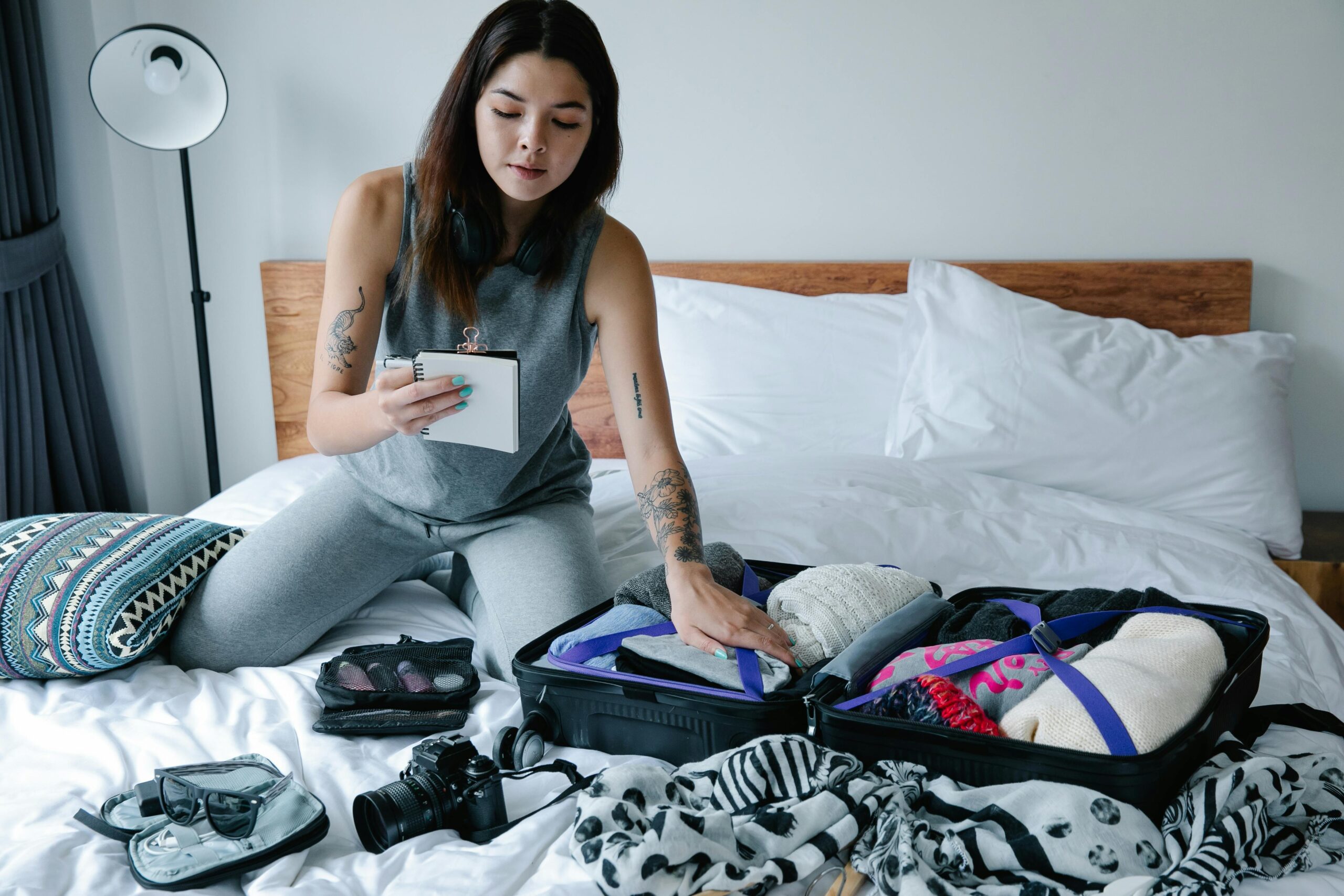
Lay out everything you plan to pack several days early. This visualization helps identify unnecessary items and forgotten essentials. Try packing, then remove 20% of non-essential items—you rarely need everything initially planned.
Weigh luggage before leaving home to avoid airline overweight fees. Digital luggage scales cost minimal amounts but save significant hassle and fees at airports. Leave some weight allowance for return journey shopping.
Photograph luggage contents before closing bags. These images help file insurance claims if bags get lost and remind you what you packed weeks into extended trips. Take pictures of important documents, credit cards, and prescriptions as digital backups.
Notify credit card companies and banks about travel plans to prevent fraud alerts blocking legitimate transactions abroad. Enable travel notifications through banking apps specifying destinations and dates. Confirm your cards work internationally and understand foreign transaction fees.
Arrange home preparations including mail holds, plant care, pet arrangements, and automatic lighting. Unplug appliances, adjust thermostats, and secure valuables. Leave copies of itineraries and contact information with trusted friends or family members.
Long trips become infinitely more enjoyable when you’re properly prepared with age-appropriate essentials tailored to your specific needs. This comprehensive checklist provides the foundation, but personalize it based on your unique circumstances, destinations, and travel style. Smart packing eliminates stress, leaving mental space to fully experience the incredible adventures awaiting you. With everything you need and nothing you don’t, you’re ready to embark on the journey of a lifetime! ✈️