Packing for a family trip can feel like solving a complex puzzle, especially when each family member has different needs and preferences. Whether you’re heading to the beach, mountains, or exploring a new city, smart packing strategies can transform chaos into calm, ensuring everyone has what they need without overstuffing suitcases.

The key to stress-free family travel lies in understanding that packing isn’t one-size-fits-all. Each age group requires different considerations, from babies needing multiple outfit changes to teenagers wanting their tech gear. By tailoring your packing approach to each family member’s age and needs, you’ll spend less time searching for misplaced items and more time creating memories together.
Understanding Your Family’s Unique Packing Needs 🎒
Before diving into specific strategies, it’s essential to assess your family’s composition and travel style. A family with toddlers will pack differently than one with teenagers, and a weekend getaway requires a different approach than a two-week international adventure.
Start by creating a family packing meeting a week before departure. This collaborative approach helps everyone understand what’s needed and reduces last-minute panic. Discuss the destination’s weather, planned activities, and accommodation facilities like laundry access, which can significantly reduce what you need to bring.
Consider each family member’s personality too. Some children are adventurous and will get messy, requiring more clothing changes, while others prefer staying clean. Understanding these nuances helps you pack smarter rather than harder.
Packing Essentials for Babies and Toddlers (0-3 Years) 👶
Traveling with babies and toddlers requires the most extensive preparation, but smart organization can make it manageable. The golden rule is to pack more than you think you’ll need for this age group, as accidents and spills are inevitable.
Clothing and Diapering Strategies
For babies, pack at least two outfits per day, plus three extras. Choose mix-and-match pieces in neutral colors so everything coordinates. Onesies with snaps are easier for diaper changes than those requiring complete undressing.
Create a dedicated diaper bag within your luggage system. Pack diapers in compressed storage bags to save space, and include a portable changing pad, wipes, diaper cream, and disposal bags. If you’re traveling for more than a few days, research where you can purchase supplies at your destination rather than packing a week’s worth.
Feeding and Sleep Essentials
If bottle-feeding, bring enough formula for the journey plus one extra day. Pack bottles, nipples, and a bottle brush in a separate mesh bag. For destinations with questionable water quality, bring bottled water specifically for formula preparation.
Sleep items are non-negotiable for maintaining your sanity. Pack your baby’s favorite sleep sack, white noise machine, and a familiar blanket or lovey. These comfort items help maintain sleep routines in unfamiliar environments, which benefits the entire family.
Smart Packing for Preschoolers (3-5 Years) 🧒
Preschoolers are developing independence but still need significant parental oversight. This age group benefits from having their own small backpack they can carry, fostering responsibility while keeping them engaged during travel.
Clothing with Independence in Mind
Pack clothing that preschoolers can put on and take off independently. Elastic waistbands, slip-on shoes, and simple shirts without complicated buttons make bathroom trips and outfit changes easier. Plan for one outfit per day plus two extras, as this age group is prone to spills but less so than toddlers.
Include a lightweight rain jacket and comfortable walking shoes, as preschoolers have boundless energy and will want to explore regardless of weather. Pack clothes in packing cubes labeled with simple pictures so children can help find their items.
Entertainment and Comfort Items
Preschoolers need entertainment but don’t require elaborate gadgets. Pack coloring books, crayons, small figurines, and sticker books. Include one special comfort item like a stuffed animal, but explain before the trip that this item must stay safe, making your child responsible for it.
Download age-appropriate apps and offline content on a tablet for longer travel days. Educational games and favorite shows can be lifesavers during delays or long car rides.
Organizing for School-Age Children (6-12 Years) 📚
School-age children are capable of taking on more packing responsibility, and involving them in the process teaches valuable organizational skills. This age group can use a simple packing list and check off items as they pack.
Creating Kid-Friendly Packing Lists
Work with your child to create a personalized packing list using pictures or words, depending on their reading level. Divide the list into categories: clothes, toiletries, entertainment, and special items. This visual guide helps children pack independently while ensuring nothing important is forgotten.
For clothing, teach the “outfit set” method: lay out complete outfits including underwear and socks, then roll them together. This prevents morning debates about what matches and ensures they have coordinated clothes for each day.
Tech and Entertainment Balance ⚡
School-age children increasingly want electronic devices, which require careful planning. Designate a tech pouch containing chargers, headphones, and devices. Teach children to check this pouch before leaving any location to prevent leaving expensive items behind.
Balance screen time by packing physical entertainment options like card games, travel journals, and books. These items don’t require batteries and can be enjoyed by multiple family members together, fostering connection rather than isolation.
Teen Travel Packing (13-18 Years) 🎧
Teenagers want autonomy and style, making them the easiest and sometimes most challenging age group to pack for. The key is establishing guidelines while respecting their growing independence and personal taste.
Establishing Weight and Space Limits
Give teenagers a specific luggage piece and weight limit, then let them pack independently. This teaches real-world consequences—if they overpack, they’ll struggle carrying their bag. Offer to review their packing before departure, but frame it as assistance rather than inspection.
Encourage teens to photograph their outfit choices laid out before packing. This prevents overpacking “just in case” items and helps them visualize their travel wardrobe. Suggest versatile pieces that can be mixed, matched, and dressed up or down.
Tech Responsibility and Safety
Teens travel with multiple devices: smartphones, tablets, cameras, and chargers. Provide a dedicated electronics organizer and discuss charging station etiquette in shared accommodations. Ensure they have portable chargers for long days out exploring.
Address digital safety by reviewing appropriate social media sharing during travel. Discuss waiting to post location information until after leaving a place, and review emergency contact procedures if they’ll have independent exploration time.
Multi-Generational Travel Considerations 👪
When traveling with grandparents or extended family, additional considerations ensure everyone’s comfort and medication needs are met while avoiding duplicating items unnecessarily.
Coordinate with grandparents about shared items like sunscreen, first aid supplies, or entertainment options. Older travelers may need assistance with luggage weight, so discuss distributing heavy items among multiple bags to keep individual luggage manageable.
Create a shared medication and health information document that everyone can access. This is especially important when traveling internationally or to remote areas where medical facilities might not have complete health histories.
The Master Packing System: Bringing It All Together 🎯
The most successful family packing strategy uses a three-tier system: personal items, shared family items, and emergency supplies. This organization prevents duplication while ensuring everything needed is accessible.
Personal Packing Strategy
Each family member should have one primary bag containing their clothing and personal items. Use packing cubes in different colors for each person, making it easy to identify whose items are whose even when sharing suitcases.
Create a toiletry kit for each family member old enough to manage their own hygiene. Younger children can share a family toiletry bag, but teaching older children to manage their own helps develop responsibility.
Shared Family Resources
Designate one bag for shared family items: sunscreen, first aid kit, umbrella, snacks, entertainment items, and travel documents. This “family bag” should be accessible during travel and clearly labeled so everyone knows where to find community resources.
Pack a separate bag with laundry supplies including detergent packets, a portable clothesline, and stain remover. Being able to do quick laundry significantly reduces how much clothing you need to pack, especially for longer trips.
Emergency Preparedness Kit 🚨
Every family should pack an emergency kit containing copies of important documents, basic medications, emergency contact information, and a small amount of local currency. Store this separately from your main luggage so you have backup resources if primary bags are delayed or lost.
Include each family member’s current photo on your phone and in the emergency kit. For younger children, prepare identification cards with your contact information they can keep in their pocket during outings.
Destination-Specific Packing Adjustments 🌍
Your packing strategy should adapt based on your destination’s climate, culture, and available resources. Beach destinations require different items than mountain adventures or urban explorations.
Beach and Water Destinations
Pack swimwear and quick-dry clothing as priority items. Bring enough swim diapers if traveling with babies, as these can be expensive or unavailable at some destinations. Include rash guards for sun protection, reducing the amount of sunscreen needed and application time.
Water-friendly sandals for each family member prevent cuts from shells or coral. Pack a mesh beach bag for sandy toys and wet swimwear, keeping sand from infiltrating your main luggage.
Cold Weather and Mountain Trips
Layering is essential for cold destinations. Pack base layers, insulating mid-layers, and weatherproof outer layers. This system allows temperature adjustment throughout the day and reduces the number of bulky items needed.
Invest in quality cold-weather accessories like gloves, hats, and scarves that pack small but provide significant warmth. For families skiing or participating in winter sports, rent bulky equipment at your destination rather than packing it.
Urban and Cultural Destinations
City travel requires comfortable walking shoes as the priority item. Pack versatile clothing that transitions from daytime sightseeing to evening dining. Research cultural dress codes to ensure appropriate clothing for religious sites or upscale venues.
Urban destinations typically have abundant shopping opportunities, so pack conservatively knowing you can purchase forgotten items. Focus on securing documents, medications, and electronics while keeping clothing minimal.
Space-Saving Techniques That Actually Work 💡
Efficient packing isn’t about cramming more into bags—it’s about smart organization that maximizes space while keeping items accessible and wrinkle-free.
The rolling method works excellently for casual clothing like t-shirts and pants. For dressier items prone to wrinkling, use the bundle wrapping method where clothes are wrapped around a central core object, minimizing fold lines.
Utilize every inch of space by stuffing shoes with socks and small items. Place shoes in shower caps or plastic bags to protect clothing from dirt. Fill gaps with soft items like swimsuits or underwear that can compress into odd spaces.
Compression bags are valuable for bulky items like jackets or extra blankets, but use them selectively. Over-compressed bags can exceed weight limits and make it difficult to repack items during your trip.
The Day-Before-Departure Checklist ✅
Even with perfect packing, the day before departure is crucial for ensuring everything is truly ready. Create a final checklist that goes beyond just packing to include home preparation and last-minute tasks.
Verify all travel documents are accessible in one location. Check passport expiration dates (many countries require six months validity), print boarding passes if available, and confirm accommodation reservations. Ensure everyone knows where documents are stored.
Prepare your home for absence by adjusting thermostats, arranging pet care, stopping mail delivery, and setting light timers. Knowing your home is secure allows you to focus on enjoying your trip rather than worrying about what you left behind.
Do a final bag weight check, especially for air travel. Airlines have become stricter about weight limits, and it’s better to redistribute items at home than pay excess baggage fees at the airport. Weigh bags using a luggage scale or home bathroom scale.
Unpacking and Post-Trip Organization 🏠
Smart packing includes planning for the return trip. Leave space in luggage for souvenirs and purchases, or pack a collapsible bag for overflow items. Designate one bag for dirty laundry during your trip, making unpacking easier when you return home.
Upon arriving home, unpack immediately while the trip is fresh in your mind. This prevents suitcases from sitting unpacked for weeks and helps you identify items that worked well or should be replaced before the next adventure.
Use post-trip unpacking as an opportunity to update your packing lists. Note what you used, what you didn’t, and what you wished you’d brought. These notes are invaluable for planning your next family adventure and continuously improving your packing system.
Making Packing an Enjoyable Family Activity 🎉
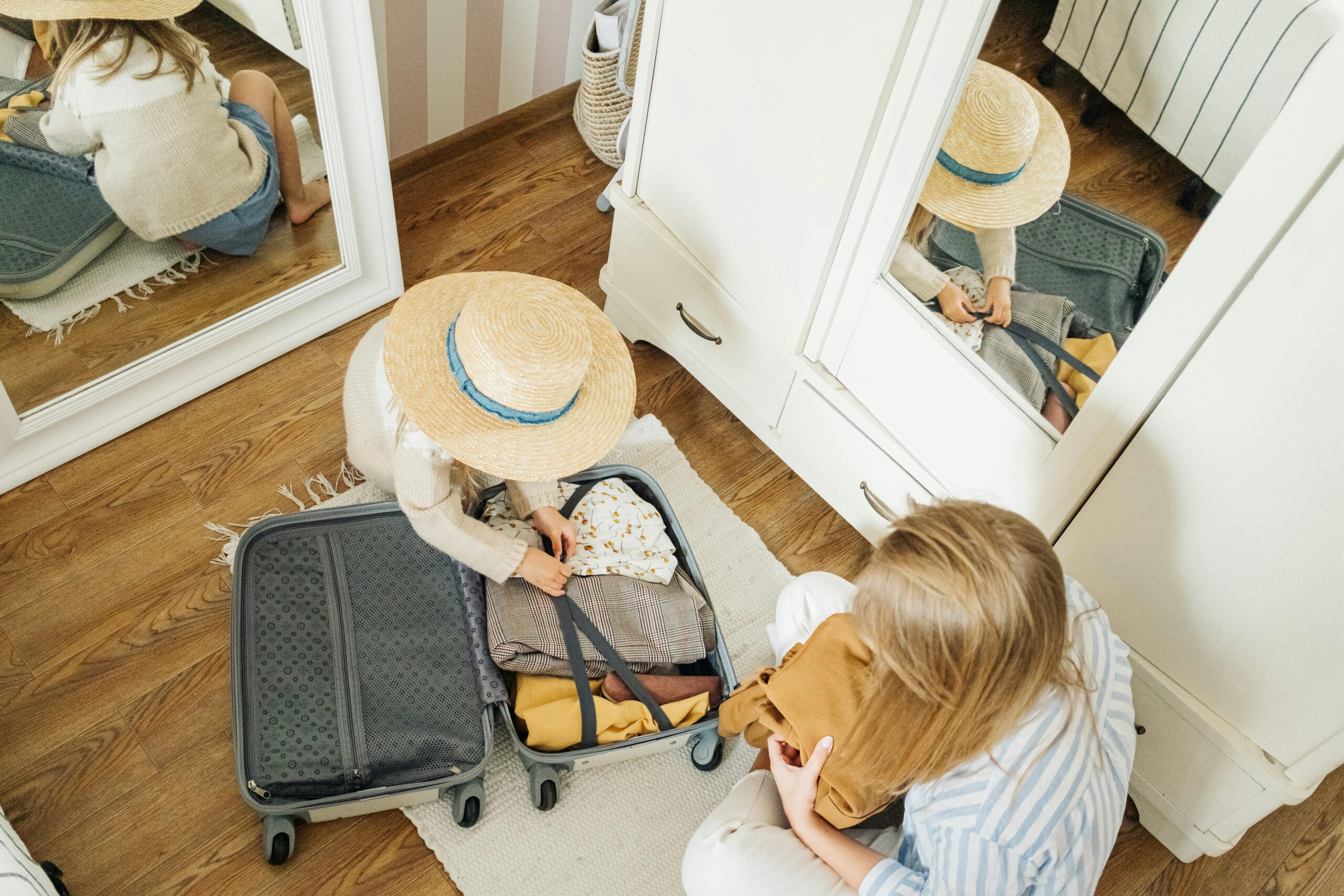
Transform packing from a stressful chore into an exciting pre-trip ritual. Play upbeat music during packing sessions and let children decorate their packing cubes or luggage tags with stickers, making their belongings easy to identify and creating ownership in the process.
Create anticipation by discussing what you’ll do with the items you’re packing. As you pack swimsuits, talk about the pool or beach. When packing hiking boots, build excitement about trails you’ll explore. This mindset shift makes packing part of the adventure rather than just preparation for it.
Celebrate when packing is complete with a special pre-trip meal or movie night featuring content related to your destination. This positive association with the packing process makes future trips easier as children develop positive memories around preparation activities.
Smart packing for families isn’t about perfection—it’s about creating systems that reduce stress and increase enjoyment. By tailoring your approach to each family member’s age and needs, you transform travel preparation from overwhelming chaos into manageable, even enjoyable, activities. The time invested in thoughtful packing pays dividends throughout your trip, allowing your family to focus on what truly matters: spending quality time together and creating lasting memories. With these strategies in place, your next family adventure begins with confidence and organization, setting the tone for a truly stress-free travel experience.