Traveling is one of life’s greatest pleasures, but without proper planning, it can quickly become exhausting. The secret to unforgettable journeys lies in creating itineraries that balance exploration with relaxation.

Many travelers return home from their vacations feeling more tired than when they left. This common phenomenon occurs because we often try to cram too many activities into limited timeframes, forgetting that rest is essential for truly experiencing new destinations. Learning to design travel plans with built-in downtime transforms ordinary trips into rejuvenating adventures that nourish both body and soul.
🌍 Understanding the Philosophy Behind Balanced Travel
The art of balanced travel isn’t about doing less—it’s about doing better. Modern travelers are increasingly recognizing that sustainable tourism includes being sustainable with their own energy levels. When you rush through landmarks checking boxes on a list, you miss the subtle magic that makes destinations special: the café where locals gather at sunrise, the afternoon light casting shadows on ancient walls, or the quiet moments that allow reflection.
Research consistently shows that vacation stress is real. Psychologists note that over-scheduled itineraries trigger the same stress responses as work deadlines. Your brain doesn’t distinguish between racing to catch a train and rushing to meet a work deadline—stress is stress. The solution involves intentional planning that prioritizes quality experiences over quantity.
Building Your Foundation: The 50-30-20 Travel Rule
Professional travel planners often use a simple framework: allocate 50% of your time to planned activities, 30% to flexible exploration, and 20% to complete rest. This ratio ensures you experience highlights while maintaining spontaneity and recovery time.
The 50% planned portion includes must-see attractions, booked tours, and reservations. These anchors provide structure to your days. The 30% flexible time allows for wandering neighborhoods, following local recommendations, or extending activities you’re enjoying. The crucial 20% rest component means genuinely doing nothing—sleeping in, reading by the pool, or simply watching the world go by from a park bench.
Adapting the Rule to Different Travel Styles
Adventure travelers might adjust to 60-25-15, while relaxation-focused vacationers could prefer 30-30-40. Families with young children often benefit from 40-20-40, recognizing that kids need substantial downtime. The key is acknowledging that rest isn’t wasted time—it’s when memories crystallize and you process experiences.
⏰ Strategic Timing: When to Plan Activities
Not all hours are created equal when traveling. Understanding your natural rhythms and destination patterns makes enormous differences in energy management.
Morning activities work beautifully for museums and popular attractions before crowds arrive. The fresh energy you bring to early starts pays dividends in enjoyment and photograph opportunities. However, building in at least one morning per trip to wake naturally without alarms prevents cumulative fatigue.
Afternoons present perfect opportunities for slower-paced activities. Many cultures embrace afternoon rest traditions for good reason—our circadian rhythms naturally dip post-lunch. Instead of fighting this biology, plan lighter activities: scenic drives, casual neighborhood walks, or leisurely meals.
Evenings offer their own magic, but resist filling every night with activities. Alternate between planned dinners or events and quiet evenings at your accommodation. This rhythm prevents the exhaustion that comes from constant stimulation.
🗺️ Geographical Clustering: Smart Route Planning
One major energy drain comes from poor geographical planning. Crisscrossing cities or regions wastes precious time and depletes energy reserves unnecessarily.
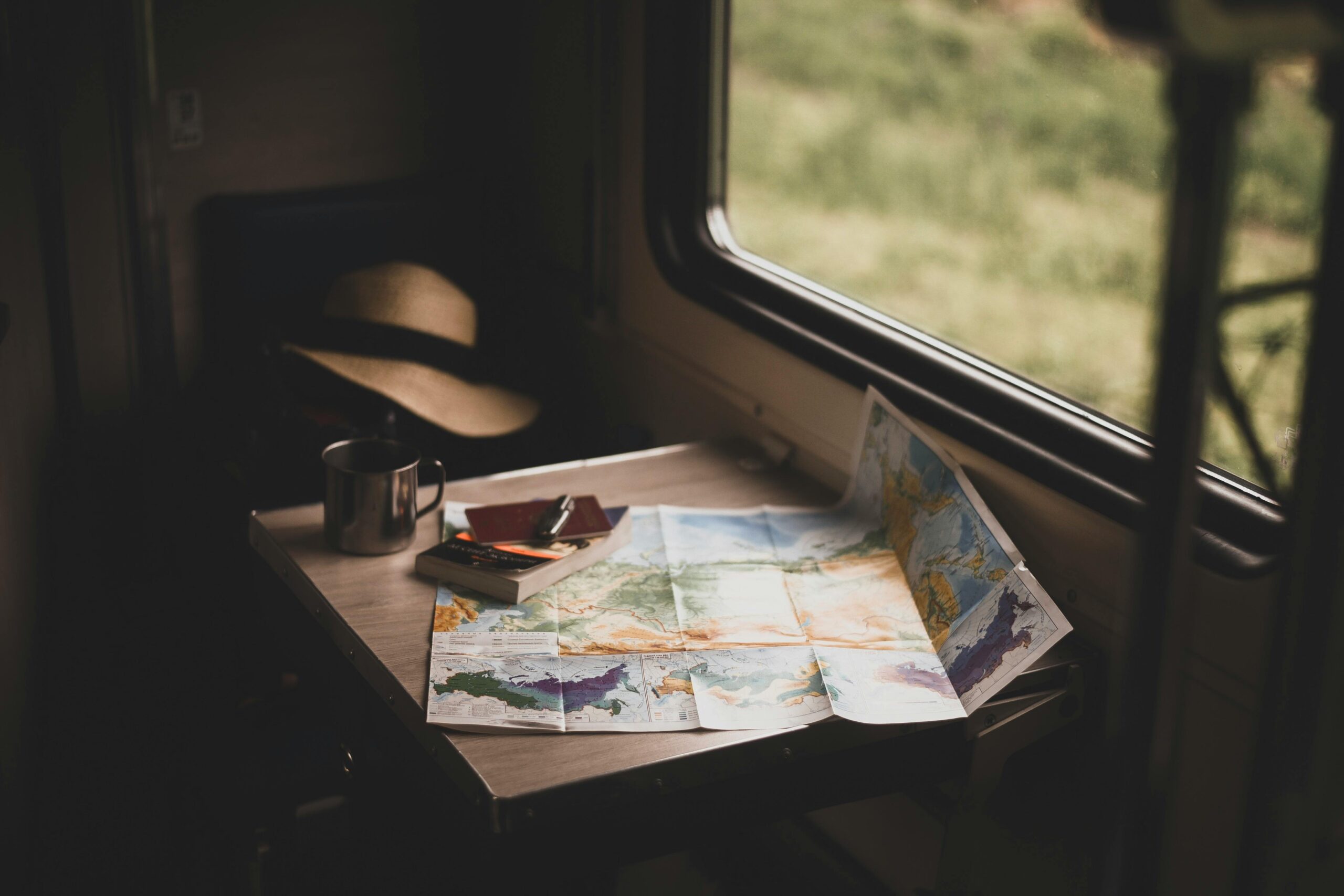
When planning daily activities, map everything visually. Group nearby attractions together and plan logical routes that minimize backtracking. Digital tools make this easier than ever—mapping applications allow you to drop pins and optimize sequences.
The Two-Location Daily Maximum
A practical guideline involves limiting yourself to two major locations or neighborhoods per day. This approach provides sufficient variety while eliminating the exhausting hustle between countless spots. You’ll experience places more deeply rather than collecting superficial glimpses.
For example, spend your morning exploring a historic district, enjoy lunch there, then transition to one other area for afternoon activities before returning to your accommodation. This pacing feels relaxed while still accomplishing substantial exploration.
Building Buffer Time Into Every Day
Professional travelers know that things always take longer than expected. Transportation delays, longer-than-anticipated meals, and spontaneous discoveries all impact schedules. Building buffers prevents the stress of running late.
Add 25% extra time to every estimated duration. If you think traveling between locations takes 30 minutes, budget 40. When museums suggest 90-minute visits, plan for two hours. These cushions transform rushed anxiety into comfortable pacing.
Buffers also create space for serendipity—the unplanned encounters and discoveries that often become trip highlights. Without schedule pressure, you can follow that interesting side street or accept a local’s restaurant recommendation without derailing your day.
🛏️ Accommodation Strategy: Location Matters More Than Luxury
Where you stay dramatically impacts energy management. Central locations reduce transportation time and provide easy retreat options when fatigue strikes.
Prioritize accommodation within walking distance of multiple restaurants, shops, and attractions. Even if you pay slightly more for central locations, you recoup value through saved transportation costs, time, and energy. The ability to return to your room for a midday rest without complicated journeys is invaluable.
Consider amenities that support restoration: comfortable beds obviously, but also blackout curtains, quiet locations away from street noise, and perhaps pools or relaxation areas. Air conditioning in warm climates isn’t luxury—it’s essential for quality sleep and recovery.
The Power of Multi-Night Stays
One-night stays might seem efficient for covering territory, but they’re exhausting. Constant packing, checking in and out, and reorienting to new locations drains energy that could fuel experiences.
Whenever possible, stay at least three nights per location. This minimum allows one arrival day to settle and orient, one full day of exploration, and departure day activities before moving on. For relaxation-focused trips, five to seven nights per location is ideal.
Multi-night stays reduce logistical stress, deepen your connection with places, and often provide better accommodation rates. You’ll discover neighborhood rhythms, develop favorite local spots, and feel less like a tourist rushing through.
📅 Weekly Rhythm: Structuring Longer Trips
For trips exceeding one week, creating weekly rhythms prevents burnout. Think of travel as sprints with recovery periods rather than marathons of constant activity.
Plan active days followed by lighter days. If Monday involves intensive sightseeing, make Tuesday gentler with shorter activities and extended rest. This alternating pattern maintains energy throughout longer journeys.
Build complete rest days into weekly plans—full days without scheduled activities beyond perhaps a relaxed meal out. These “reset days” allow physical recovery, laundry, trip planning, and mental processing of experiences. They’re not wasted—they’re essential maintenance.
The Three-Day Cycle
Many experienced travelers follow a three-day pattern: one intensive exploration day, one moderate activity day, and one rest-focused day. This cycle provides rhythm and predictability while preventing exhaustion.
🍽️ Meal Planning for Energy Management
Food choices significantly impact energy levels, yet travelers often eat poorly due to convenience or novelty-seeking without consideration for how meals affect stamina.
Start days with substantial breakfasts that provide sustained energy. Protein and complex carbohydrates prevent mid-morning crashes that tempt you toward excessive caffeine or sugar. Many accommodations offer breakfast—take full advantage rather than rushing out on empty stomachs.
Schedule sit-down lunches rather than grabbing quick bites on the run. These midday breaks provide natural rest periods that recharge you for afternoon activities. Local restaurants away from tourist centers often provide better food, lower prices, and cultural insights.
Avoid planning dinner reservations every evening. Balancing restaurant meals with simple accommodation dinners or picnics reduces decision fatigue and provides quiet evenings for recovery.
Transportation Choices That Support Rest
How you move between destinations and around locations dramatically affects energy expenditure. Strategic transportation choices build rest into travel itself.
For longer distances, overnight trains or buses convert transportation time into sleeping time, maximizing daylight hours at destinations while eliminating accommodation costs. However, only choose this option if you sleep reasonably well in motion—poor sleep negates benefits.
Within destinations, balance walking with public transportation or occasional taxis. Walking provides invaluable street-level experiences and exercise, but know your limits. When fatigue sets in, transportation isn’t lazy—it’s smart energy management.
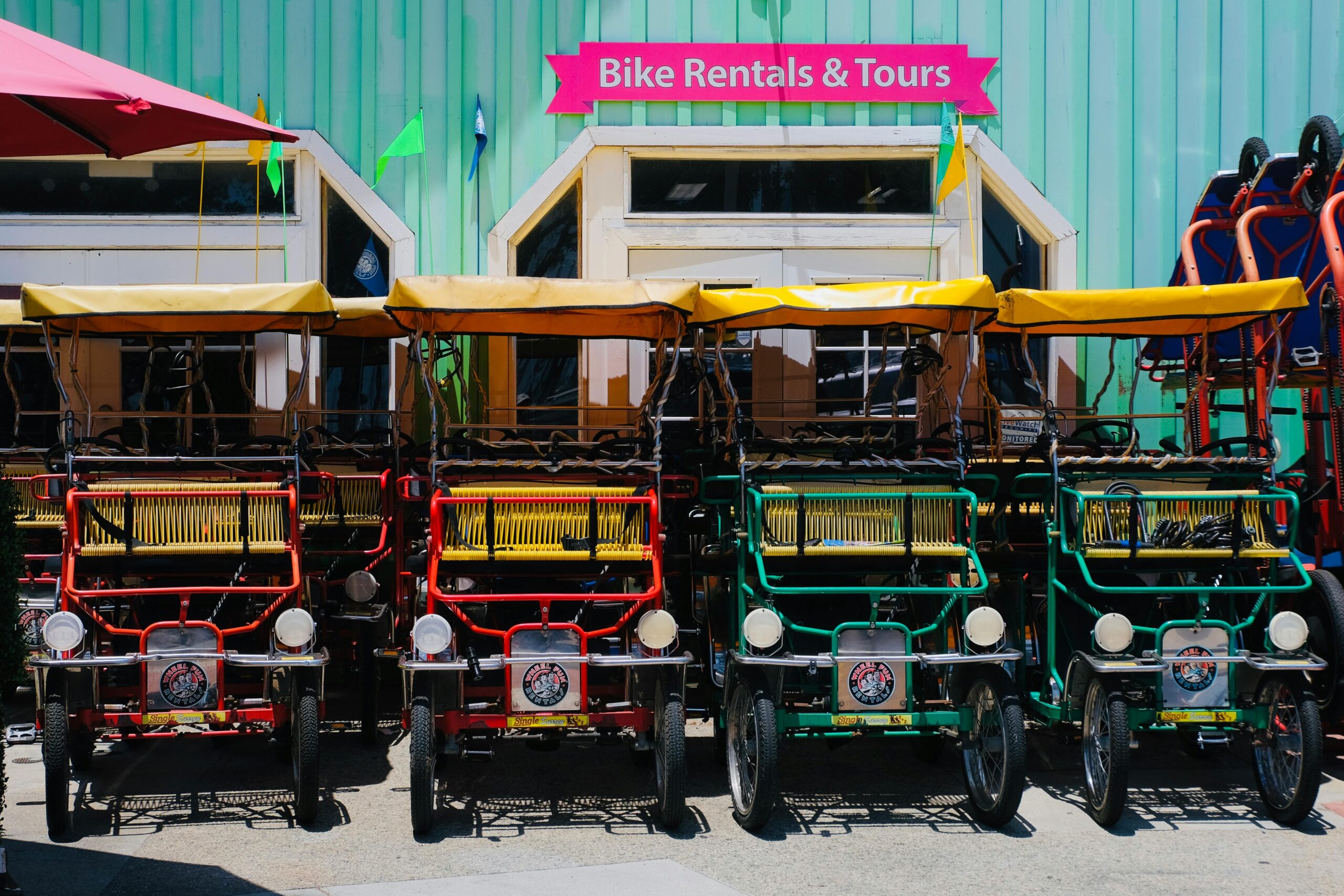
Consider renting bicycles or scooters for medium distances. These options provide freedom and fun while covering ground more efficiently than walking, though always prioritize safety and follow local regulations.
🎯 Activity Selection: Quality Over Quantity
Resist the temptation to experience everything. Selective itineraries focusing on what genuinely interests you create more satisfying trips than exhaustive checklists of “must-see” attractions that don’t align with your preferences.
Before trips, honestly assess what you enjoy. Nature lovers don’t need to visit every museum; culture enthusiasts shouldn’t feel obligated to hike every trail. Personalized itineraries that honor your interests prevent resentful slogging through activities that drain rather than energize you.
Research activities thoroughly, reading recent reviews to gauge time requirements and energy demands. Some attractions deserve half-days while others satisfy in an hour. Accurate expectations prevent over-scheduling and disappointment.
The “Hell Yes” Test
When evaluating potential activities, use the “hell yes” test. If your reaction isn’t enthusiastic agreement, eliminate it. Lukewarm obligations waste limited travel time and energy on mediocre experiences when you could be savoring something genuinely exciting or resting for tomorrow’s adventures.
Managing Technology for Balanced Travel
Technology simultaneously helps and hinders travel balance. Smart usage supports planning and navigation while excessive connectivity prevents presence and relaxation.
Use apps for mapping, translation, and booking conveniences—these tools reduce stress and save time. Download offline maps and key information before trips to reduce roaming anxiety and data concerns.
However, establish technology boundaries. Designate phone-free times during meals, attractions, and evening wind-downs. Constant photographing and sharing interrupts immersion in experiences. Consider capturing memories primarily through presence rather than lenses.
Airplane mode isn’t just for flights—use it during rest periods to prevent notification interruptions and create genuine disconnection. Your work, social media, and news can wait; this boundary protects vacation’s restorative qualities.
🌤️ Weather and Season Considerations
Environmental factors affect energy demands. Hot weather drains stamina faster; rain creates logistical challenges; extreme conditions require additional planning for comfort and safety.
Research typical weather for your travel dates and pack accordingly. Appropriate clothing and gear prevent discomfort that saps energy. Layers, comfortable waterproof shoes, sun protection, and weather-appropriate accessories aren’t optional—they’re essential for maintaining energy throughout days.
Adjust activity intensity to conditions. On particularly hot days, plan indoor activities during peak heat hours, reserving outdoor exploration for mornings and evenings. Cold weather demands shorter outdoor periods with warm-up breaks.
Group Travel: Balancing Multiple Needs
Traveling with others complicates balance as different people have varying energy levels, interests, and rest requirements. Successful group travel requires explicit communication and compromise.
Discuss expectations before trips. Some travelers want constant companionship while others need alone time. Neither preference is wrong, but unexpressed assumptions create conflict. Establish that splitting up sometimes benefits everyone—different energy levels and interests mean separate activities often make sense.
Rotate activity choices when traveling with others, ensuring everyone gets priorities met. If you visit someone’s must-see today, they accommodate your choice tomorrow. This fairness prevents resentment that poisons group dynamics.
Build in optional activities that higher-energy travelers can pursue while others rest. This approach respects different needs without guilt or pressure. Split and reconvene for shared meals or evening activities.
🧘 Active Rest: Recovery That Feels Good
Rest doesn’t mean lying motionless in hotel rooms, though that’s perfectly valid sometimes. Active rest activities provide gentle engagement while supporting recovery.
Yoga or stretching sessions release tension from extensive walking and touring. Many destinations offer drop-in classes, or use hotel room space for personal practice. Even 20 minutes of gentle movement significantly improves how you feel.
Spa treatments, massages, or thermal baths combine relaxation with cultural experiences in many destinations. These activities restore energy while remaining vacation-appropriate rather than feeling like you’re missing out.
Leisurely activities like cooking classes, wine tastings, or craft workshops engage you at comfortable paces without physical demands. They provide experiences and learning while allowing recovery from more intensive sightseeing.
Learning to Honor Fatigue
Perhaps the most important skill in balanced travel is recognizing when to stop. Pushing through exhaustion diminishes experiences and risks illness that can derail entire trips.
When fatigue signals arrive—irritability, difficulty concentrating, reduced enjoyment, physical aches—respond immediately. Cancel or postpone activities without guilt. No attraction is worth experiencing in a state of misery where you can’t appreciate it anyway.
Remember that vacations should restore you. If your trip leaves you exhausted and dreading return to normal life, your planning needs adjustment. The goal isn’t Instagram-worthy quantity but meaningful quality that nourishes rather than depletes you.
✨ Creating Your Personal Balance Formula
Ultimately, perfect balance varies individually. Experiment across trips to discover what works for your energy levels, interests, and travel style. Keep notes about what felt good and what created stress or exhaustion.
Consider your typical energy patterns at home—are you naturally high-energy or do you require substantial downtime? Honor these traits while traveling rather than attempting to become someone different just because you’re on vacation.
Adjust formulas for different trip types. Adventure-focused journeys naturally include more activity; relaxation retreats emphasize rest. Business trips with limited free time require strategic prioritization of the few experiences possible. Context matters.
The art of travel mastery isn’t about seeing everything or maximizing every moment with activity. It’s about creating sustainable rhythms that let you fully experience places while returning home refreshed rather than depleted. When you balance exploration with rest, adventure with relaxation, you discover that less truly can be more—more presence, more enjoyment, more memories that last far beyond the trip itself.