Modern travel demands efficiency. Every item you pack should serve a purpose, especially when embarking on short adventures where mobility and preparedness must coexist harmoniously.

The philosophy of minimalist survival isn’t about deprivation—it’s about intelligent selection. When you understand what truly matters in wilderness situations or remote travel, you can strip away the unnecessary weight while maintaining comprehensive preparedness. This approach transforms how you experience adventures, allowing freedom of movement without sacrificing safety or comfort.
🎒 Understanding the Minimalist Survival Philosophy
Minimalist survival represents a calculated balance between weight consciousness and functional preparedness. Unlike traditional survival kits that attempt to address every conceivable scenario, the minimalist approach focuses on versatile, multi-purpose items that deliver maximum utility per ounce carried.
This methodology stems from understanding that most short adventures—weekend hikes, brief camping trips, or emergency situations lasting 24-72 hours—don’t require elaborate equipment. What they demand instead is smart gear selection based on environmental conditions, personal skill level, and realistic risk assessment.
The psychological benefits of traveling light extend beyond physical comfort. Reduced pack weight decreases fatigue, improves decision-making capabilities, and increases your range of mobility. When you’re not burdened by excessive gear, you maintain better situational awareness and respond more effectively to changing conditions.
🔥 The Core Components Every Kit Needs
Building an essential minimalist survival kit requires understanding the fundamental categories that support human survival: shelter, water, fire, food, signaling, and first aid. Each category should be represented by items that offer multiple functions whenever possible.
Fire Starting Capabilities
Fire provides warmth, water purification, cooking ability, and psychological comfort. Your minimalist kit should include redundant fire-starting methods because this function is simply too critical to leave to a single tool. A quality lighter offers the fastest ignition method, while waterproof matches provide backup. Include a ferrocerium rod as your fail-safe option—it works when wet and produces thousands of strikes.
Cotton balls soaked in petroleum jelly create exceptional tinder that weighs virtually nothing and ignites even in damp conditions. Store these in a small waterproof container or ziplock bag. This simple preparation can mean the difference between quickly establishing fire and struggling for hours with marginal natural materials.
Water Procurement and Purification
Humans can survive weeks without food but only days without water. Your kit must address both locating and purifying water sources. A collapsible water bottle or bladder weighs minimal when empty but provides essential storage capacity. Choose options that can withstand boiling water for purification.
Water purification tablets offer the lightest weight solution, effectively eliminating pathogens from questionable sources. While they require waiting periods and may leave slight taste residue, their reliability-to-weight ratio remains unmatched. A small metal container allows you to boil water when time permits, providing purification without chemical additives.
Shelter and Insulation Essentials
Exposure kills faster than thirst or hunger. Your minimalist shelter solution should protect against wind, rain, and heat loss while occupying minimal pack space. An emergency bivvy or lightweight tarp with cordage provides remarkable versatility. These items weigh ounces but create life-saving shelter in combination with natural materials.
Include a space blanket despite their somewhat exaggerated reputation. Modern versions are more durable than earlier generations and genuinely reflect body heat when used correctly. They also serve as ground insulation, rain protection, or signaling devices due to their reflective properties.
🔪 Multi-Purpose Tools That Earn Their Weight
Every tool in a minimalist kit must justify its inclusion through versatility. Single-purpose items rarely make the cut unless that single purpose is absolutely critical and cannot be accomplished through improvisation.
The Knife Selection Dilemma
A quality fixed-blade knife represents arguably the most versatile survival tool. Choose a blade between 3.5 and 5 inches with a full tang construction—where the blade steel extends through the handle. This design provides strength for batoning wood, detailed work capability, and reliability under stress.
Avoid the temptation of elaborate multi-tools for minimalist kits. While they offer numerous functions, they often compromise on primary blade quality. A simple, robust knife paired with basic cordage accomplishes more tasks more effectively than complicated alternatives with multiple moving parts that can fail.
Cordage: The Unsung Hero
Paracord earns its reputation in survival situations through remarkable versatility. Twenty-five feet of quality 550 paracord weighs approximately two ounces but enables shelter construction, gear repair, fishing line improvisation, tourniquet creation, and dozens of other applications. The inner strands can be removed for finer work while the outer sheath maintains structural strength.
Banking wire presents another lightweight cordage option that many overlook. Its ability to maintain shapes makes it ideal for snare construction, gear repair, or creating frameworks that paracord cannot achieve. Just a few feet add negligible weight while expanding your problem-solving capabilities significantly.
📱 Technology Integration for Smart Survival
Modern minimalist survival acknowledges technology’s role while recognizing its limitations. Electronic devices enhance safety and navigation but should never constitute your primary survival strategy due to battery limitations and potential damage.
Navigation and Communication Tools
Smartphone GPS applications provide detailed mapping even in airplane mode once maps are downloaded. However, carrying a basic compass and understanding fundamental navigation principles ensures you’re never completely dependent on battery power. A button compass weighs less than an ounce and never requires charging.
For areas with cellular coverage, offline navigation apps prove invaluable. They allow you to access detailed topographical information, mark waypoints, and track your route without consuming data or requiring constant signal availability.
Emergency Power Solutions
A small portable battery bank weighing 3-5 ounces can recharge your phone once or twice, extending your access to GPS, flashlight functions, and emergency communication capabilities. Choose models with adequate capacity but resist oversized options that add unnecessary weight for short adventures.
Solar charging solutions have improved dramatically but still require favorable conditions and time. For minimalist short-term kits, they often don’t justify their weight and bulk unless you’re specifically planning multi-day trips in sunny climates.
🏥 Medical Preparedness Without Overpacking
First aid represents another area where minimalism requires thoughtful curation. Your medical kit should address likely injuries and personal medication needs rather than attempting comprehensive treatment capabilities.
Essential Medical Items
Adhesive bandages in various sizes handle minor wounds that constitute the majority of wilderness injuries. Add several larger sterile gauze pads and medical tape for more significant bleeding control. A small tube of antibiotic ointment prevents infection in abrasions and cuts.
Pain relief medication serves dual purposes—managing discomfort and reducing inflammation that impairs mobility. Include both ibuprofen and acetaminophen in small quantities. Personal prescription medications obviously take priority and should include extra doses beyond your planned trip duration.
Blister treatment deserves specific attention for hiking-based adventures. Moleskin or specialized blister patches weigh almost nothing but dramatically improve your ability to continue moving despite friction injuries. Prevention beats treatment, so include these before blisters form rather than waiting for problems to develop.
Specialized Personal Medical Needs
Individuals with specific health conditions must incorporate relevant medications and treatment items despite weight considerations. Epinephrine auto-injectors for severe allergies, inhalers for asthma, or glucose tablets for diabetics cannot be compromised in the name of minimalism. These items literally keep you alive and must remain non-negotiable components of your kit.
🍽️ Nutrition Strategy for Short Adventures
Food represents the lowest priority in true survival situations since humans can function for weeks without calories. However, maintaining energy and morale during short adventures justifies carrying efficient nutrition options.
Calorie-Dense Lightweight Options
Nut butters deliver exceptional calorie density with impressive shelf stability. Single-serve packets eliminate the need for utensils and minimize cleanup. They provide fats, proteins, and quick energy in situations where preparation isn’t feasible.
Energy bars selected for caloric efficiency rather than taste optimization offer straightforward nutrition. Choose options with whole food ingredients that provide sustained energy rather than simple sugar rushes followed by crashes. Calculate approximately 1,200-1,500 calories per day for basic energy maintenance during reduced activity.
Dehydrated meals make sense for overnight adventures when you’re carrying water purification capabilities. They rehydrate quickly with hot water and provide psychological comfort through familiar food experiences. However, their packaging creates waste and bulk that pure survival situations don’t justify.
💡 Illumination Solutions for Various Scenarios
Darkness amplifies every challenge in outdoor environments. Your lighting solution should provide hands-free operation, reliable runtime, and weather resistance while minimizing weight and bulk.
Modern LED headlamps deliver remarkable brightness from compact packages powered by lightweight batteries. Choose models offering multiple brightness settings to extend battery life during extended use. Red light modes preserve night vision while providing adequate illumination for camp tasks.
A small backup flashlight provides redundancy without significant weight penalty. Mini LED lights powered by single AAA batteries weigh under an ounce but ensure you’re never completely without illumination if your primary source fails. This redundancy principle applies across all critical survival functions.
🧭 Navigation Beyond Technology
While GPS technology provides convenience, traditional navigation skills and tools remain essential components of minimalist survival preparedness. Electronics fail, batteries die, and devices break—paper and basic instruments continue functioning regardless of circumstances.
A waterproof map of your adventure area printed on durable material provides comprehensive perspective that small phone screens cannot match. Understanding terrain features, water sources, and exit routes before emergencies arise dramatically improves decision-making under stress.
Learning to read natural navigation signs—sun position, star patterns, vegetation growth, and water flow—transforms your environment into a constant information source. These skills weigh nothing, never fail, and work anywhere on earth.
🎯 Customizing Your Kit for Specific Environments
Minimalist survival isn’t one-size-fits-all. Your base kit requires modification based on specific environmental challenges you’ll encounter during particular adventures.
Desert Environment Adaptations
Arid environments demand increased water carrying capacity and sun protection. Add extra collapsible water storage, electrolyte supplements to prevent dehydration-related complications, and sun protective clothing or additional sunscreen. Fire starting becomes less critical while water procurement jumps to top priority.
Cold Weather Modifications
Winter conditions require enhanced insulation and fire-starting redundancy. Add chemical hand warmers as emergency heat sources that weigh minimal but provide crucial warmth for extremities. Increase the fire-starting materials since establishing flames in cold, wet conditions demands more resources. Consider adding an extra space blanket specifically for ground insulation since heat loss through contact with frozen ground occurs rapidly.
Tropical and Rainforest Adjustments
High humidity environments require moisture management and insect protection. Include a compact mosquito head net and consider DEET-based insect repellent despite its weight. Fungal infection prevention becomes relevant—antifungal powder weighs little but prevents debilitating foot conditions. Fire starting materials must be waterproofed more thoroughly since everything remains perpetually damp.
⚖️ Weight Distribution and Packing Strategy
How you organize your minimalist kit impacts accessibility and comfort as much as which items you include. Strategic packing ensures critical items remain accessible while maintaining balanced weight distribution.
Frequent-use items belong in external pockets or top compartments—fire starters, water purification, navigation tools. Emergency items like shelter materials and first aid can sit deeper in your pack since you hopefully won’t need immediate access. Organize by function rather than size, grouping related items together for quick location during stressful situations.
Waterproofing creates layers of protection. Store items in individual ziplock bags within waterproof stuff sacks. This redundancy ensures that even if outer protection fails, your critical gear remains functional. Electronic devices particularly benefit from multiple waterproofing layers.
🔄 Regular Maintenance and Skills Practice
The perfect minimalist survival kit delivers no value if you don’t understand how to use its components or maintain them properly. Regular inspection and skills practice transform gear into actual survival capability.
Quarterly kit reviews ensure items remain functional and haven’t degraded through storage. Check fire-starting materials for moisture damage, verify water purification tablets haven’t expired, and test electronic devices. Replace consumed or damaged items immediately rather than discovering deficiencies during emergencies.
Practice sessions using only your kit contents develop crucial familiarity and reveal gaps in your selection or skills. Attempt building shelters with your tarp and cordage, start fires using each backup method, purify water through different techniques. This hands-on experience builds confidence and competence that theoretical knowledge cannot provide.
🌟 The Mental Component of Minimalist Survival
Physical gear represents only one dimension of survival preparedness. Mental resilience, problem-solving capability, and emotional regulation often determine outcomes more than equipment quality.
Minimalist approaches inherently build self-reliance by forcing creative problem-solving with limited resources. This mindset shift proves invaluable during actual emergencies when improvisation becomes necessary regardless of preparation level. Comfort with discomfort and adaptation develops through intentional practice with constrained resources.
Include a small notebook and pencil in your kit—not for survival instructions, but for maintaining perspective through journaling, planning, or simple distraction during stressful waiting periods. Mental health directly impacts physical survival capabilities, and simple tools for managing psychological stress justify their minimal weight.
🎓 Building Skills That Replace Equipment Weight
The ultimate minimalist survival strategy involves developing knowledge and capabilities that eliminate gear requirements entirely. Skills weigh nothing, never break, and accompany you on every adventure whether planned or accidental.
Learn to identify edible and medicinal plants in your region. Understand basic shelter construction using natural materials. Practice fire starting with minimal tools or friction methods. Study water location indicators and natural purification techniques. These capabilities don’t replace carrying proper equipment, but they provide backup options when gear fails or situations exceed your planned resources.
First aid training deserves particular emphasis. The most comprehensive medical kit provides limited value without knowledge of proper application. Basic wilderness first aid courses teach injury assessment, treatment prioritization, and improvisation techniques that expand your effective capabilities far beyond physical supplies.
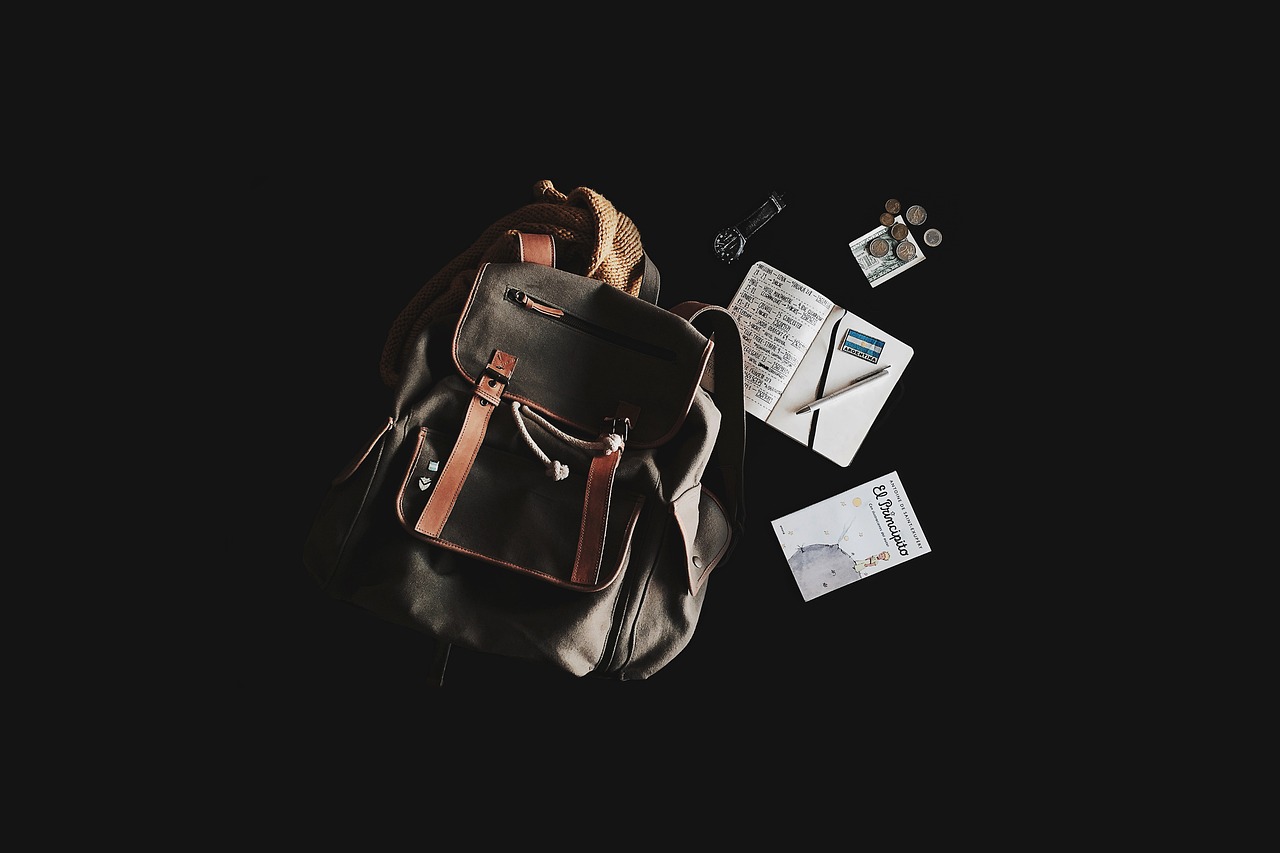
🚀 Final Thoughts on Traveling Light and Smart
Mastering minimalist survival represents an ongoing journey rather than a destination. Each adventure provides lessons that refine your gear selection and expand your capability with limited resources. The goal isn’t achieving some theoretical perfect kit, but rather developing a personalized system that matches your skills, environment, and adventure style.
Start conservatively with slightly more gear than minimalist purists might carry, then gradually reduce as your confidence and competence grow. This approach builds capability without creating dangerous gaps in preparedness during your learning process. Document what you actually use versus what remained packed, allowing data to guide future refinements.
Remember that minimalist survival isn’t about proving toughness through deprivation—it’s about maximizing freedom and capability through intelligent selection. Every ounce you don’t carry represents energy preserved for movement, exploration, and response to actual challenges. When your kit contains only essential items you understand thoroughly and can employ effectively, you’ve achieved the sweet spot where preparedness and mobility coexist perfectly for your next short adventure.