
Travel days can be exhilarating, but they often come with unexpected challenges that drain your energy and pile on stress. Whether you’re a frequent flyer or occasional traveler, mastering the art of staying energized during your journey transforms the entire experience.

The secret to conquering travel-day burnout lies in strategic planning, smart habits, and knowing exactly what your body and mind need during transit. From airport chaos to long-haul flights, every aspect of your journey can either deplete or replenish your reserves, and the choices you make determine which path you take.
Understanding Why Travel Days Drain Your Energy 🔋
Before diving into solutions, it’s essential to understand what makes travel so exhausting. Your body faces multiple stressors simultaneously: disrupted routines, dehydration from cabin pressure, uncomfortable seating positions, irregular eating patterns, and the mental load of navigating unfamiliar environments. The sympathetic nervous system remains activated longer than usual, keeping you in a heightened state of alertness that burns through energy reserves quickly.
Jet lag compounds these issues when crossing time zones, as your circadian rhythm struggles to adjust. Even domestic travel without time zone changes can disrupt your internal clock when departing early morning or arriving late at night. Recognizing these biological realities helps you prepare countermeasures rather than fighting against your body’s natural responses.
Pre-Travel Preparation: Setting Yourself Up for Success ✈️
The foundation for stress-free travel begins days before departure. Quality sleep in the nights leading up to your trip creates a resilience buffer against the inevitable disruptions ahead. Avoid the temptation to stay up late packing or completing last-minute tasks—these hours of rest prove more valuable than any forgotten item.
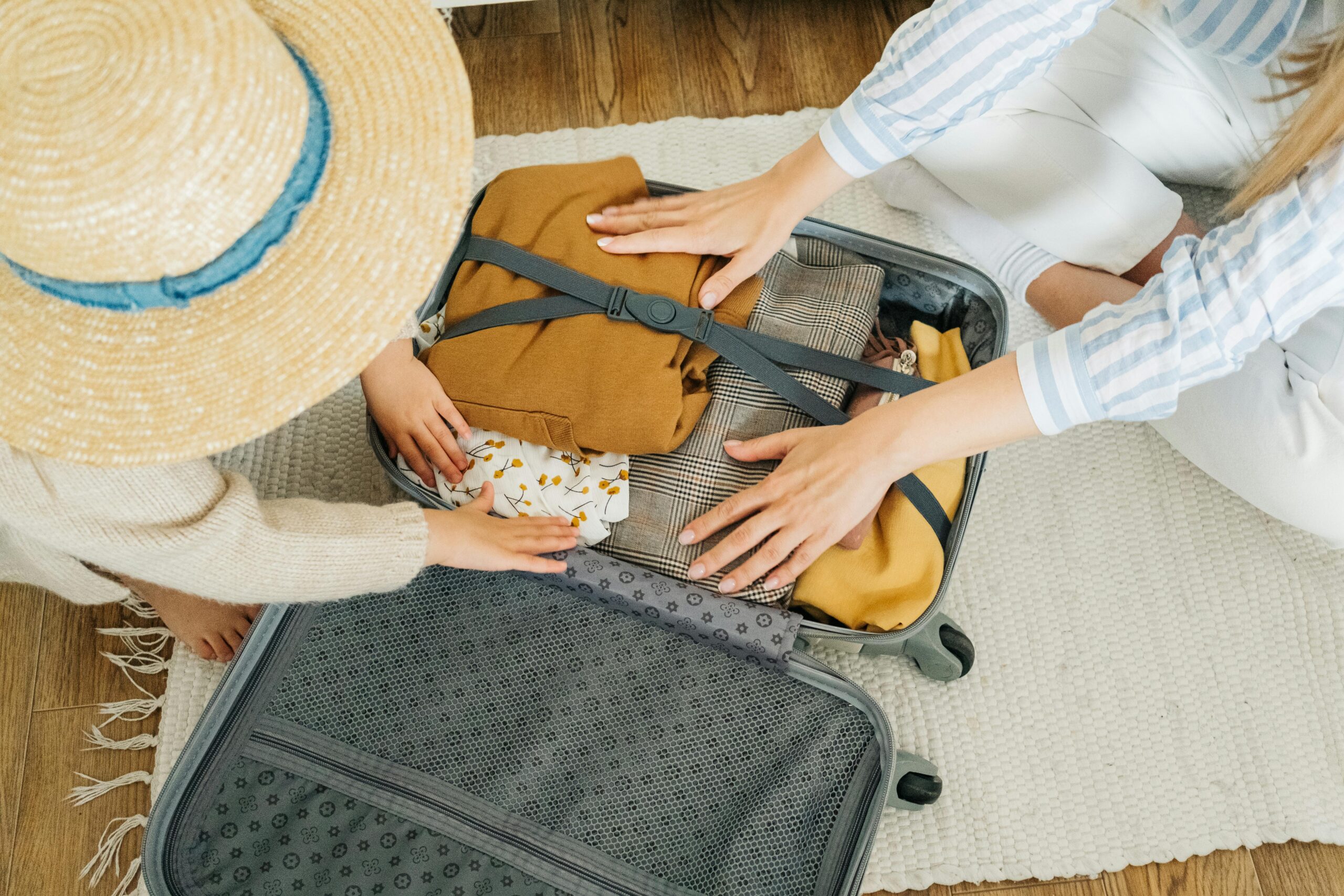
Create a comprehensive packing checklist at least a week before departure, checking off items as you gather them. This eliminates the frantic last-minute scramble that spikes cortisol levels before you even leave home. Organize your carry-on strategically with easy access to essentials like water bottles, snacks, headphones, chargers, and any medications you might need.
The Night-Before Routine That Changes Everything
Establish a calming evening ritual before travel day. Take a warm bath or shower, do gentle stretching, and avoid screens for at least an hour before bed. Set out your travel outfit and double-check that all documents, tickets, and identification are in designated pockets of your bag. This mental offloading allows your brain to shift into rest mode rather than anxiously reviewing checklists throughout the night.
Prepare a simple breakfast or snack for the morning to avoid decision fatigue when you’re groggy. If you have an early departure, consider setting multiple alarms and placing your phone across the room to ensure you actually wake up without the panic of potentially oversleeping.
Morning Momentum: Starting Your Travel Day Right ☀️
How you begin travel day sets the tone for everything that follows. Wake up with enough buffer time to move through your morning without rushing—anxiety and hurry create the perfect storm for burnout. Even if your flight departs early, waking just 20 minutes earlier than the bare minimum transforms your experience.
Hydrate immediately upon waking with a full glass of water. Your body becomes dehydrated overnight, and starting your journey already behind on fluids guarantees fatigue. Follow this with a balanced breakfast containing protein, complex carbohydrates, and healthy fats to provide sustained energy rather than a quick spike and crash.
Movement Matters Before You’re Stuck Sitting
Incorporate light movement into your morning routine—simple stretches, a short walk, or even five minutes of yoga. This activates your circulation and metabolism, preparing your body for the extended periods of sitting ahead. The endorphin release also buffers against travel stress and anxiety.
Airport Navigation Without the Nervous System Overload 🏃
Airports represent controlled chaos, but you don’t have to absorb that energy. Arrive with sufficient time to move through security without rushing—for domestic flights, two hours is comfortable; for international, three hours provides cushion. This buffer eliminates the single biggest airport stressor: fear of missing your flight.
Once through security, resist the temptation to camp at your gate immediately. Walk the terminal to keep blood flowing and prevent stiffness before your flight. Many airports now feature yoga rooms, meditation spaces, or quiet zones—seek these out for brief respites from the sensory overload of crowded terminals.
Strategic Fueling at the Airport
Airport food has improved dramatically, and making smart choices here pays dividends during your flight. Prioritize hydration above all else—purchase a large water bottle immediately after security. Avoid excessive caffeine, which dehydrates you further and can increase anxiety. If you need coffee, match each cup with equal water intake.
For meals or snacks, choose options with protein and fiber over simple carbohydrates. A salad with grilled chicken, veggie wraps, or protein boxes provide steady energy. Avoid heavy, greasy foods that make you feel sluggish, and skip alcohol entirely before flying—it accelerates dehydration and disrupts sleep quality if you’re hoping to rest during the flight.
In-Flight Strategies for Maximum Energy Conservation ✨
The flight itself presents unique challenges for maintaining energy and managing stress. Your seat selection matters more than you might think—aisle seats allow easy movement for stretching and bathroom breaks, while window seats offer a place to lean for sleeping. Choose based on your flight duration and priorities.
Immediately after boarding, adjust your environment for comfort. Use a neck pillow, bring a light blanket or large scarf, and consider an eye mask and earplugs or noise-canceling headphones. These small investments create a cocoon that signals to your nervous system it’s safe to relax despite being in a metal tube 35,000 feet above ground.
The Hydration Equation That Prevents Burnout
Cabin pressure causes rapid dehydration—the air inside planes contains only 10-20% humidity compared to typical 30-60% in normal environments. Drink at least 8 ounces of water per hour of flight time. Set reminders on your phone if needed, as it’s easy to forget when distracted by entertainment or work.
Avoid relying solely on flight attendant beverage service. Bring your own large refillable water bottle and ask crew members to fill it periodically. The small cups provided during service don’t contain enough liquid to offset the dehydrating cabin environment.
Movement Micro-Breaks During Flight
Set a timer to stand, stretch, and walk the aisle every 60-90 minutes on flights longer than two hours. This prevents deep vein thrombosis, reduces muscle stiffness, and keeps energy levels more stable. Even if you can’t leave your seat, perform seated stretches: ankle circles, shoulder rolls, neck stretches, and spinal twists.
These movements also combat the mental fog that settles in during long periods of stillness. The brief position changes increase blood flow to your brain, helping you stay alert and reducing the zombie-like state many travelers experience upon landing.
Technology Tools That Reduce Travel Stress 📱
Smart use of technology streamlines the travel experience and eliminates many common stressors. Download your airline’s app for real-time gate changes, delays, and mobile boarding passes—scrambling for printed documents or dealing with outdated information creates unnecessary anxiety.
Meditation and breathing apps prove invaluable during stressful moments. When you feel tension rising—during turbulence, delays, or crowded boarding—a five-minute guided breathing session resets your nervous system. Apps like Calm, Headspace, or Insight Timer offer travel-specific meditations designed for these exact scenarios.
Entertainment downloads prevent the boredom and restlessness that drain energy. Before your trip, download podcasts, audiobooks, movies, or series to your devices. Having engaging content available offline eliminates dependence on spotty airport WiFi or expensive in-flight entertainment systems.
Sleep Strategy for Different Flight Times 😴
Your approach to sleep during travel should align with your arrival time and plans. For overnight flights where you’ll arrive in the morning and need to function immediately, prioritize sleep during the flight. Use all your comfort tools, avoid screens for the first hour after takeoff, and consider natural sleep aids like melatonin if appropriate for your situation.
For daytime flights or shorter journeys, strategic napping works better than attempting full sleep. A 20-30 minute power nap refreshes without leaving you groggy, while longer sleep cycles might make you feel worse upon waking. Set an alarm to prevent accidentally sleeping through landing preparations.
Managing Time Zone Transitions
When crossing multiple time zones, begin adjusting your sleep schedule several days before departure. Gradually shift your bedtime and wake time toward your destination’s schedule—15-30 minutes per day adds up quickly. Upon arrival, immediately adopt local meal and sleep times regardless of how your body feels. Sunlight exposure at appropriate times for your new location accelerates adjustment.
Post-Landing Recovery That Prevents the Crash 🌟
The journey doesn’t end when you land—how you handle the post-flight hours determines whether you experience burnout or bounce back quickly. Before leaving the airport, find a restroom to freshen up: wash your face, brush your teeth, change clothes if possible. These simple acts signal to your brain that travel mode has ended and normal functioning can resume.
Resist the urge to immediately collapse at your accommodation. If you arrive during daylight hours, spend at least 30 minutes outside in natural light. This sunlight exposure helps reset your circadian rhythm and combats the grogginess many travelers experience after flights. Even a short walk around the block accomplishes this while also stretching muscles cramped from travel.
Strategic Eating After You Arrive
Your first meal upon arrival should align with local meal times rather than when you feel hungry. This helps your body adjust to the new schedule more quickly. Choose easily digestible foods with balanced macronutrients—your digestive system has been stressed by travel and doesn’t need additional burden from heavy, rich meals.
Continue aggressive hydration throughout your first day in the new location. Add electrolytes through coconut water, sports drinks, or electrolyte tablets if you’ve crossed multiple time zones or spent many hours flying. Proper hydration status affects everything from energy levels to mood to cognitive function.
Building Your Personal Travel Resilience Over Time 💪
Frequent travelers develop resilience through consistent practices rather than one-time efforts. After each trip, reflect on what worked and what didn’t. Keep a travel journal noting energy levels, stress points, and successful strategies. Over time, patterns emerge that help you customize your approach for maximum effectiveness.
Physical fitness between trips dramatically impacts travel tolerance. Regular cardiovascular exercise, strength training, and flexibility work all contribute to better circulation, stamina, and stress management. You don’t need to be an athlete—even three 30-minute sessions per week make noticeable differences in how your body handles travel demands.
Supplements That Support Travel Wellness
While not replacements for healthy habits, certain supplements support energy and stress management during travel. Magnesium helps with sleep quality and muscle relaxation. B-complex vitamins support energy production and stress response. Probiotics maintain digestive health when eating unfamiliar foods. Vitamin C and zinc support immune function in the germ-rich environment of airports and planes.
Consult with a healthcare provider before adding supplements, especially if you take medications. What works varies by individual, so experimental one at a time to assess effects rather than starting multiple simultaneously.
Creating Your Pre-Flight Ritual That Actually Works 🎯
Consistency creates calm, and having a repeatable pre-flight ritual signals to your nervous system that everything is under control. This ritual should be simple enough to execute regardless of departure time or location. It might include specific music playlists, particular snacks, a checklist review process, or breathing exercises.
One effective approach: the 5-5-5 method. Five minutes of stretching, five minutes of meditation or deep breathing, and five minutes reviewing your itinerary and confirming all essentials are packed. These fifteen minutes create a buffer between regular life and travel mode, reducing the jarring transition that often triggers stress.
When Travel Stress Hits: Emergency Reset Techniques 🆘
Despite best preparation, travel sometimes goes sideways—flights get cancelled, luggage disappears, connections are missed. Having emergency stress-reset techniques prevents these situations from spiraling into full burnout. The 4-7-8 breathing pattern works quickly: inhale for four counts, hold for seven, exhale for eight. Repeat four times to activate your parasympathetic nervous system.
Physical grounding techniques help when anxiety spikes. Press your feet firmly into the floor, noticing the sensation. Name five things you can see, four you can touch, three you can hear, two you can smell, and one you can taste. This sensory inventory pulls your mind from catastrophizing about the situation and anchors you in the present moment.
Remember that most travel problems have solutions, even if not immediately apparent. Take a moment to breathe before approaching airline staff or making decisions. A calm, courteous approach to problem-solving yields better results than stress-fueled demands and ensures you don’t deplete your energy reserves unnecessarily.
Transforming Travel Days From Survival to Enjoyment 🌈
The ultimate goal isn’t merely surviving travel days without burnout—it’s actually enjoying the journey as part of your adventure. Reframe travel time as an opportunity rather than an obstacle. Those hours in transit offer rare permission to do nothing productive, to simply exist between destinations without obligations.
Use flight time for activities you never have time for normally: reading that book, starting a journal, planning future adventures, or simply watching clouds and thinking. When you stop treating travel as dead time to be endured and start seeing it as unique space in your schedule, the stress naturally diminishes.
Pack items that bring you joy specifically for the journey—special snacks, a new book, comfortable clothes you love wearing. These small pleasures scattered throughout travel day create positive touchpoints that boost mood and energy. The journey becomes something to look forward to rather than dread.
Your Energy-Optimized Travel Day Blueprint 🗺️
Bringing everything together, your ideal travel day follows a rhythm that honors your body’s needs while accomplishing the journey’s logistics. Start with adequate sleep and a calm morning. Arrive at the airport with time buffer. Move regularly and hydrate consistently. Protect your sensory environment with headphones and eye masks. Eat strategically for sustained energy. Reset upon arrival with sunlight, movement, and continued hydration.
This blueprint adapts to any journey length or destination. Short domestic trips need less intensive strategies than international long-hauls, but the same principles apply. Your body doesn’t care whether you’re flying two hours or twelve—it needs hydration, movement, nourishment, and stress management regardless.
Remember that mastering travel takes practice. Each journey teaches you something about your personal needs and effective strategies. Be patient with yourself, experiment with different approaches, and gradually build your personalized system for staying energized and stress-free no matter where your adventures take you. The freedom to travel without burning out opens up the entire world as your playground.