
Traveling by air can be both exciting and exhausting. Long hours in confined spaces, changing air pressure, and disrupted routines can leave your body feeling drained and dehydrated, making it essential to adopt smart strategies that keep you feeling your best.

Whether you’re a frequent flyer or embarking on an occasional trip, understanding how to maintain your energy levels and hydration during flight days can transform your travel experience. The combination of low cabin humidity, limited movement, and time zone changes creates unique challenges that require proactive solutions to ensure you arrive at your destination feeling refreshed rather than fatigued.
✈️ Understanding What Happens to Your Body During Flight
The moment you step onto an aircraft, your body begins experiencing environmental changes that affect your physical well-being. Cabin pressure is typically maintained at levels equivalent to 6,000-8,000 feet above sea level, which means less oxygen reaches your bloodstream compared to ground level. This reduced oxygen availability can lead to feelings of tiredness, headaches, and decreased cognitive function.
Additionally, airplane cabins maintain humidity levels between 10-20%, significantly lower than the comfortable 40-70% range found in most indoor environments. This dry air accelerates moisture loss through your skin and respiratory system, potentially causing dehydration even before you realize you’re thirsty. Understanding these physiological challenges is the first step toward combating them effectively.
💧 Hydration Strategies That Actually Work
Water is your most powerful ally during flight days. The low humidity environment means you’re losing moisture constantly, even when you’re not actively sweating. Experts recommend drinking approximately 8 ounces of water for every hour you’re in the air, which is considerably more than your typical daily intake pattern might suggest.
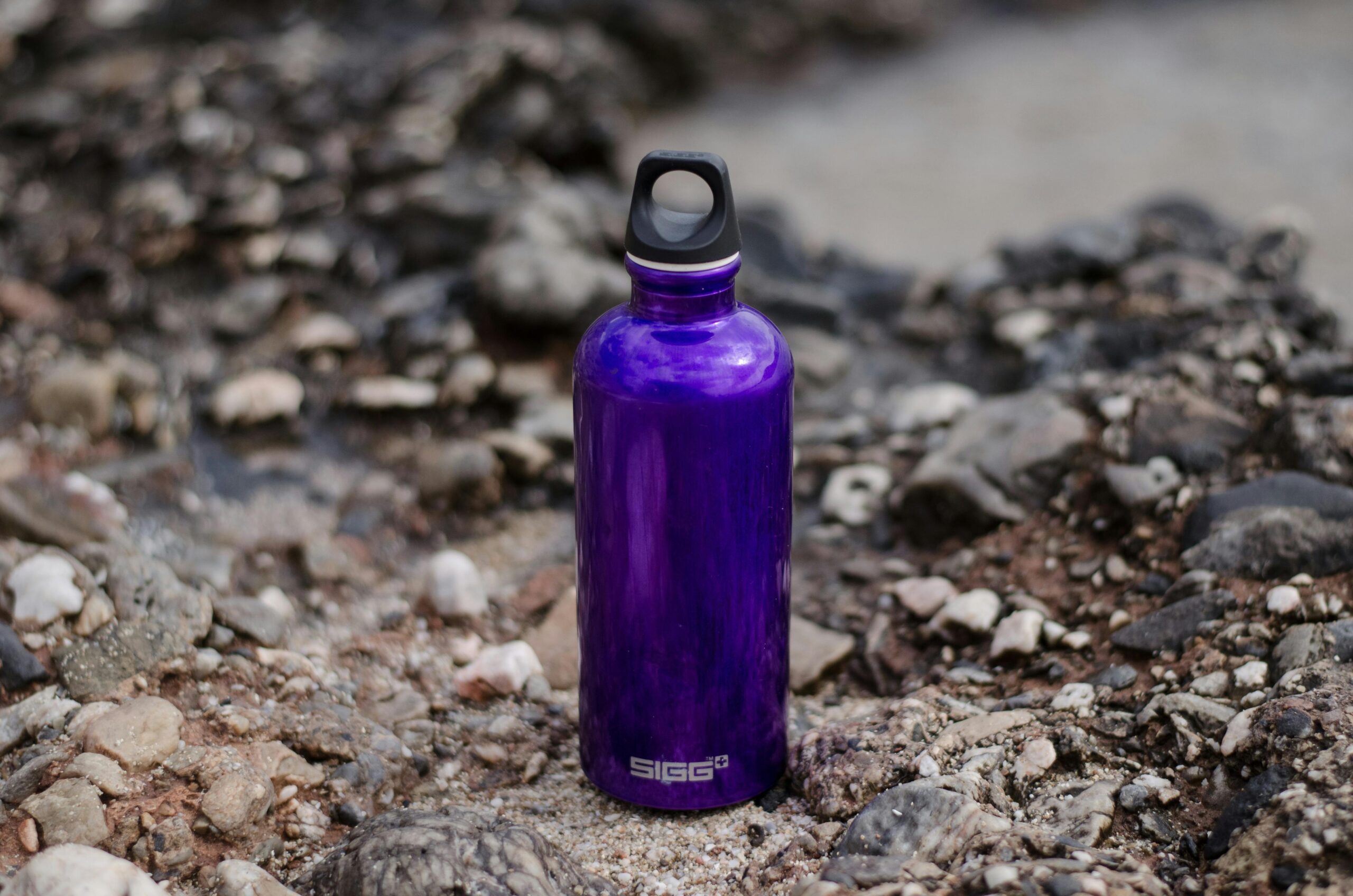
Start hydrating well before your flight begins. Drinking plenty of water in the 24 hours leading up to your departure gives your body a hydration buffer to work with. Once at the airport, carry a refillable water bottle and fill it after passing through security. This simple habit ensures you have constant access to water without relying solely on inflight service.
Smart Beverage Choices for Optimal Hydration
Not all liquids contribute equally to your hydration goals. While water remains the gold standard, you can supplement with electrolyte-enhanced beverages, coconut water, or herbal teas. These options provide minerals like sodium, potassium, and magnesium that help your body retain fluids more effectively than water alone.
Avoid or minimize alcohol and caffeine consumption during flights. Both substances act as diuretics, increasing urination and accelerating fluid loss. A single alcoholic drink at altitude can have effects equivalent to two drinks on the ground, compounding dehydration issues. If you do choose to enjoy these beverages, follow each serving with an extra glass of water to offset their dehydrating effects.
🏃 Staying Active in Limited Space
Physical activity during flights might seem impossible given the cramped quarters, but movement is crucial for circulation, energy maintenance, and preventing discomfort. Prolonged sitting can lead to blood pooling in your lower extremities, increasing the risk of deep vein thrombosis and causing swollen ankles and feet.
Make it a habit to stand and walk the aisle every 60-90 minutes during your flight. This simple action stimulates blood flow, engages your muscles, and provides a mental break from sitting. Even short walks to the lavatory and back can make a significant difference in how you feel upon landing.
Seat-Based Exercises for Circulation
When moving around isn’t possible, seated exercises keep your blood flowing and muscles engaged. Ankle circles, calf raises, and knee lifts can all be performed discreetly from your seat. Try rotating your ankles clockwise and counterclockwise ten times each, then flex and point your feet repeatedly to activate your calf muscles.
Shoulder rolls and neck stretches combat the tension that builds from maintaining seated postures. Roll your shoulders backward ten times, then forward ten times. Gently tilt your head toward each shoulder, holding for a few seconds to stretch the neck muscles. These movements prevent stiffness and keep your upper body feeling more comfortable.
🍎 Nutrition Timing and Smart Food Choices
What you eat and when you eat it significantly impacts your energy levels throughout your travel day. Heavy, processed meals can leave you feeling sluggish and bloated, while strategic nutritious choices provide sustained energy without digestive discomfort.
Before your flight, opt for balanced meals containing lean protein, complex carbohydrates, and healthy fats. This combination provides steady energy release rather than the rapid spike and crash associated with sugary or highly processed foods. A meal of grilled chicken with quinoa and vegetables, or a salmon salad with whole grain bread, exemplifies the ideal pre-flight nutrition approach.
Snacking Smartly at Altitude
Pack nutrient-dense snacks to maintain energy between meals. Nuts, seeds, dried fruit, protein bars, and whole grain crackers travel well and provide sustained energy. Fresh fruits like apples, oranges, and bananas also make excellent choices, offering natural sugars for quick energy alongside fiber for digestive health.
Avoid excessively salty snacks that can increase thirst and water retention. While airline snacks are convenient, they often contain high sodium levels that exacerbate dehydration issues. Bringing your own snacks ensures you control the quality and nutritional content of what you consume.
😴 Managing Energy Through Sleep and Rest
Strategic rest during flights helps maintain energy levels, especially on longer journeys crossing multiple time zones. However, the timing of your sleep matters significantly. If you’re traveling east and arriving in the morning, staying awake during the flight helps you adjust to the new time zone more quickly.
Create a conducive sleep environment by bringing essential comfort items. A quality neck pillow supports proper spinal alignment, while an eye mask blocks out cabin lighting. Noise-canceling headphones or earplugs eliminate disruptive sounds, making it easier to drift into restorative sleep despite the aircraft environment.
Power Napping Techniques for Travelers
If full sleep isn’t appropriate for your itinerary, strategic power naps of 20-30 minutes can refresh your mind without leaving you groggy. Set an alarm to prevent oversleeping, and try to time naps during the cruise portion of your flight when turbulence is less likely to disturb you.
Avoid napping within three hours of your destination’s bedtime if you’re crossing time zones. This discipline helps your body adjust to the new schedule more quickly, reducing jet lag symptoms and helping you maintain better energy patterns after arrival.
🧘 Breathing Exercises and Mental Wellness
The reduced oxygen levels in airplane cabins mean your breathing pattern matters more than usual. Deep breathing exercises increase oxygen intake and promote relaxation, combating the stress and tension many travelers experience.
Practice the 4-7-8 breathing technique: inhale through your nose for four counts, hold your breath for seven counts, then exhale through your mouth for eight counts. Repeat this cycle four times to activate your parasympathetic nervous system, reducing stress hormones and promoting calmness.
Mindfulness and meditation apps can guide you through relaxation exercises specifically designed for travel situations. These tools help manage anxiety, improve focus, and maintain mental energy throughout your journey.
👕 Clothing Choices That Support Comfort and Movement
What you wear during flights directly affects your comfort level and ability to stay active. Tight, restrictive clothing impedes circulation and makes movement uncomfortable, while overly loose garments can become tangled or awkward.
Choose breathable, stretchy fabrics that allow full range of motion. Moisture-wicking materials help regulate body temperature in the variable cabin environment. Layers are essential since airplane temperatures can fluctuate significantly, and having options ensures you maintain comfortable body temperature regardless of conditions.
Compression socks deserve special mention for their circulation benefits. These specialized garments apply graduated pressure to your lower legs, promoting blood flow back toward your heart and reducing swelling. Many frequent travelers consider them essential for any flight lasting more than three hours.
⏰ Pre-Flight Preparation for Maximum Energy
Your flight day experience begins long before you board the aircraft. Adequate preparation sets the foundation for maintaining energy and hydration throughout your journey. Start adjusting your sleep schedule several days before departure if you’re crossing multiple time zones, gradually shifting your bedtime and wake time toward your destination’s schedule.
Exercise on the day before travel, but avoid intense workouts immediately before your flight. Moderate physical activity promotes better sleep and reduces stress, while over-exercising can leave you depleted. A brisk walk, yoga session, or light swim represents the ideal intensity level.
Packing Essentials for Active Hydration
Assemble a flight day kit containing items that support your hydration and activity goals. Include your refillable water bottle, electrolyte packets, healthy snacks, and any supplements you regularly take. Pack moisturizer and lip balm to combat the dry cabin air’s effects on your skin.
Consider bringing resistance bands for additional exercise options. These lightweight, compact tools enable strength-maintaining movements without requiring much space. Simple exercises like band pulls, chest presses, and leg extensions can be performed in the galley area during longer flights when flight attendants aren’t actively serving.
🌅 Post-Flight Recovery Strategies
Your efforts to stay active and hydrated shouldn’t end when the aircraft lands. The hours immediately following your flight are crucial for recovery and adaptation to your new environment. Continue drinking water abundantly, as your body needs time to fully rehydrate after the dry cabin exposure.
Engage in light physical activity upon arrival. A walk around your hotel or destination grounds helps your body adjust to the new time zone while promoting circulation after hours of sitting. Exposure to natural light, particularly in the morning, helps reset your circadian rhythm and combat jet lag effects.
Eat a balanced meal containing protein and vegetables within two hours of landing. This nutritional input gives your body the resources it needs for recovery while helping stabilize blood sugar levels that may have fluctuated during travel. Avoid heavy, rich foods immediately after arrival, as your digestive system may be operating sub-optimally.
📱 Technology Tools for Travel Wellness
Modern technology offers numerous solutions for tracking and maintaining your hydration and activity levels during travel. Water tracking apps send reminders to drink at regular intervals, ensuring you don’t forget this crucial habit amid travel distractions. Many feature customizable goals based on your flight duration and body weight.
Fitness trackers and smartwatches monitor your movement patterns, reminding you when you’ve been sedentary too long. Some devices even include specific travel modes that adjust activity goals based on the unique constraints of airplane travel. These tools transform abstract intentions into concrete, measurable actions.
🔄 Building Sustainable Travel Habits
Consistency transforms these strategies from occasional practices into automatic behaviors that serve you on every journey. Start implementing these habits on shorter flights to establish familiarity before tackling longer international travel. Each successful experience builds confidence and reinforces the positive outcomes.
Track your experiences in a travel journal, noting which strategies worked best and how you felt during and after different flights. This personal data becomes invaluable for optimizing your approach over time. You’ll discover patterns specific to your body and travel style that generic advice can’t capture.
Share your successful strategies with fellow travelers and remain open to learning from others’ experiences. The travel wellness community continues growing as more people recognize the importance of proactive self-care during flights. Your insights might help someone else, while their innovations could enhance your own practices.
🌟 Empowering Your Travel Experience
Taking control of your physical well-being during flight days transforms travel from something you endure into an experience you actively manage. The combination of proper hydration, strategic movement, smart nutrition, and adequate rest enables you to arrive at your destination ready to fully engage with whatever awaits you.
These practices require minimal investment beyond awareness and intention. No expensive products or complicated protocols are necessary—just consistent application of fundamental wellness principles adapted for the unique challenges of air travel. The return on this investment manifests in how you feel, how quickly you recover, and how much you can enjoy your destination from the moment you arrive.
Your body possesses remarkable adaptability when you provide it with the right support. By staying active and hydrated throughout your flight days, you’re not just preventing discomfort—you’re actively promoting optimal function despite challenging circumstances. This proactive approach represents the difference between merely surviving travel and truly thriving throughout your entire journey.