In our hyper-connected world, noise pollution and privacy invasion have become invisible threats to our wellbeing. Understanding how to measure, manage, and mitigate these concerns is essential for modern living.

Whether you’re dealing with noisy neighbors, evaluating a potential apartment, or protecting your personal space from prying eyes and ears, having the right knowledge and tools makes all the difference. This comprehensive guide will walk you through practical strategies for assessing noise levels and safeguarding your privacy in any environment.
🔊 Understanding Noise Levels: The Foundation of Sound Awareness
Before you can protect yourself from excessive noise, you need to understand what constitutes problematic sound levels. Noise is measured in decibels (dB), and different environments have vastly different acceptable thresholds.
Normal conversation typically registers at 60 dB, while a busy street might reach 80-85 dB. Prolonged exposure to sounds above 85 dB can cause permanent hearing damage. Sleep disruption begins at much lower levels, sometimes as low as 40 dB, making nighttime noise particularly concerning for health and wellbeing.
The Science Behind Sound Measurement
Sound waves travel through air as vibrations, and their intensity determines the decibel reading. However, human perception of noise isn’t purely scientific—it’s also psychological. A baby’s cry at 110 dB might be tolerable to parents but unbearable to neighbors, while 70 dB of ocean waves feels peaceful despite being objectively loud.
This subjective element makes noise evaluation complex. You need both objective measurements and contextual understanding to assess whether a space meets your personal comfort standards.
📱 Digital Tools for Accurate Noise Assessment
Modern smartphones have transformed noise monitoring from expensive professional activity to accessible everyday practice. Sound meter applications use your device’s microphone to provide reasonably accurate decibel readings, perfect for quick assessments of your environment.
These applications typically display real-time measurements, peak levels, and average readings over time. The most effective apps also include reference charts showing what various decibel levels mean for hearing safety and environmental quality standards.
When using noise measurement apps, consistency matters. Take multiple readings at different times of day, particularly during peak traffic hours, evening social times, and early morning. This creates a comprehensive noise profile rather than a single snapshot that might not represent typical conditions.
Calibration and Accuracy Considerations
While smartphone apps are convenient, they’re not professionally calibrated instruments. Most consumer devices have microphones optimized for voice, not precision measurement. Expect a margin of error of 2-5 dB, which is acceptable for general assessment but not for legal or scientific purposes.
For serious concerns like workplace safety compliance or legal disputes with neighbors, investing in a Class 2 sound level meter (costing $50-200) provides accuracy that stands up to scrutiny. These devices are calibrated to international standards and offer reliability that apps cannot match.
🏠 Evaluating Noise Before Moving: The Smart Renter’s Guide
One of the most important times to assess noise levels is before committing to a new living space. A beautiful apartment loses its appeal quickly when bass from the nightclub downstairs keeps you awake every weekend.
Visit potential homes multiple times at different hours. Morning visits during your typical wake time, afternoon checks during work-from-home hours, and evening assessments around 8-10 PM reveal different noise patterns. Weekend visits are equally crucial, as leisure activities create distinct soundscapes.
Key Noise Sources to Investigate
- Traffic patterns: Rush hour sounds dramatically different from midday quiet, especially near major roads or highways
- Commercial neighbors: Restaurants, bars, gyms, and delivery services generate noise at specific times you need to witness firsthand
- Building construction: Check walls, floors, and ceilings for thickness and soundproofing quality by knocking and listening for echoes
- HVAC systems: Heating and cooling infrastructure can create constant background hum that becomes maddening over time
- Neighbor activities: Listen for sounds from adjacent units—conversations, television, footsteps reveal how much sound transfers through walls
Don’t hesitate to introduce yourself to potential neighbors and ask directly about noise concerns. Long-term residents provide invaluable insider knowledge about construction projects, problematic tenants, or seasonal noise variations.
🛡️ Privacy Protection: The Other Side of Environmental Security
While noise invades our auditory space, privacy breaches attack our informational and physical boundaries. Modern privacy threats range from obvious surveillance cameras to sophisticated data harvesting through smart devices embedded throughout our environments.
Privacy protection requires vigilance across multiple domains: visual surveillance, audio eavesdropping, digital data collection, and physical intrusion. Each demands different strategies and awareness levels to maintain personal security.
Visual Privacy: Managing What Others Can See
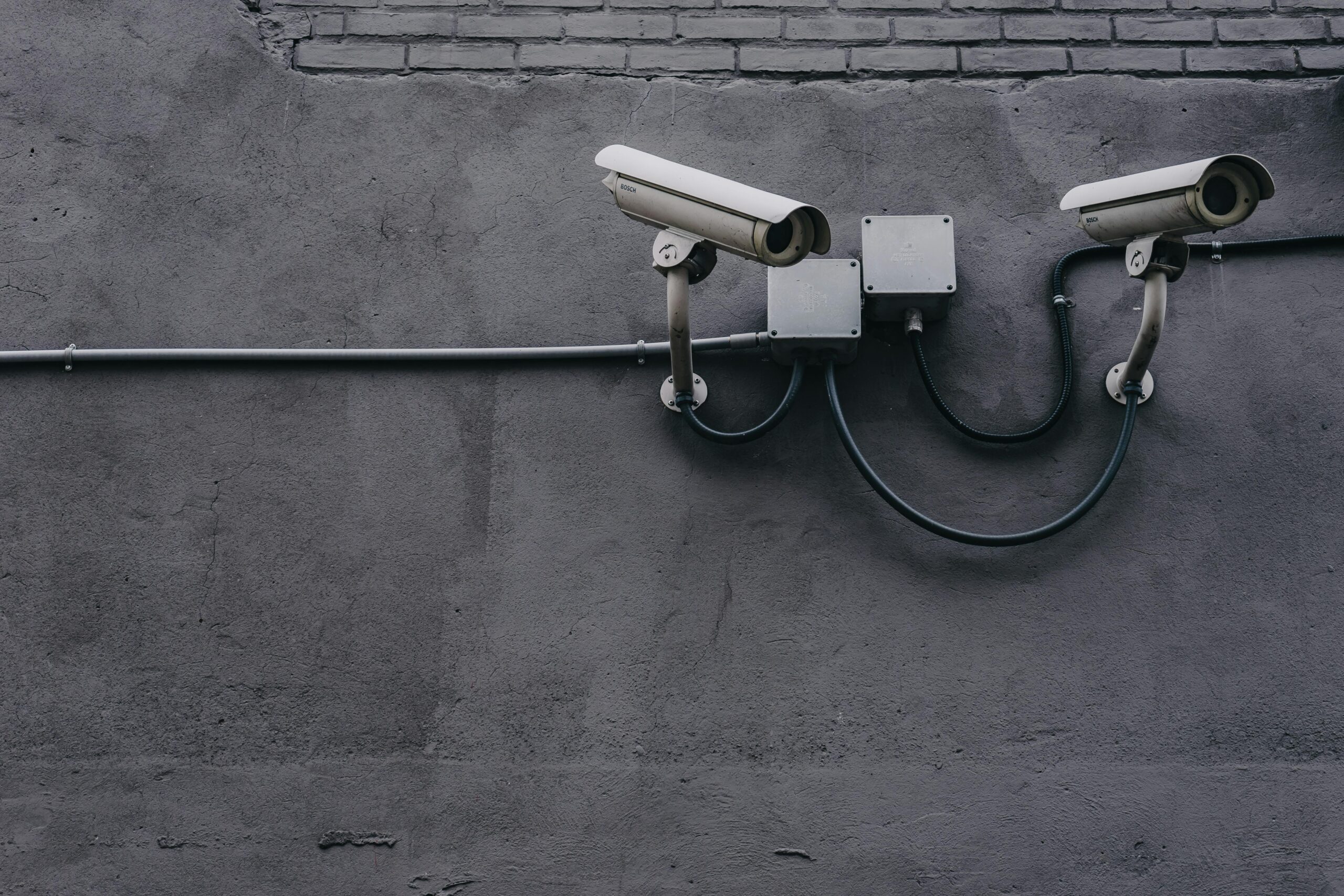
Cameras are everywhere—on doorbells, security systems, drones, and smartphones. While many serve legitimate security purposes, they also create privacy vulnerabilities. When evaluating a space, identify all visible cameras and consider their fields of view.
Window placement matters enormously for privacy. Ground-floor apartments with large windows facing busy sidewalks require curtains or blinds for basic privacy. Upper floors provide natural visual barriers but remain vulnerable to drone surveillance or neighboring high-rise visibility.
Smart home devices with cameras—from video doorbells to security systems—offer security benefits but require careful configuration. Ensure you control the footage, understand cloud storage policies, and verify encryption standards. Default settings often prioritize convenience over privacy, so customization is essential.
🎧 Acoustic Privacy: Protecting Your Conversations
Sound travels both ways. While you’re concerned about external noise disrupting your peace, your conversations and activities might be equally audible to neighbors. Acoustic privacy deserves the same attention as noise reduction.
Test conversation privacy by having a friend speak at normal volume in one room while you listen from adjacent spaces, hallways, and neighboring areas. This reveals exactly how much sound escapes and helps you identify sensitive areas where private conversations should occur.
Soundproofing Strategies That Actually Work
Effective soundproofing combines multiple approaches rather than relying on single solutions. Thick curtains, area rugs, upholstered furniture, and wall hangings absorb sound reflections, reducing both incoming and outgoing noise. These soft materials prevent sound waves from bouncing and amplifying.
For more serious sound blocking, weatherstripping doors creates acoustic seals that prevent sound leakage through gaps. Door sweeps eliminate the space under doors where conversation easily escapes. These simple, inexpensive additions dramatically improve acoustic privacy.
White noise machines or fans create acoustic masking that obscures conversations without requiring construction. Strategic placement near doors or shared walls makes speech unintelligible from the other side while remaining unobtrusive to occupants.
🔐 Digital Privacy in Physical Spaces
Modern privacy concerns extend beyond physical surveillance into digital realms. Public WiFi networks in apartments, coffee shops, and coworking spaces create data security vulnerabilities. Smart building systems that control lighting, temperature, and access collect behavioral data that reveals personal patterns.
When evaluating a living or working space, investigate the digital infrastructure. Who controls the WiFi? Are smart building systems mandatory or optional? What data do they collect, and who accesses it? These questions matter increasingly as buildings become more connected.
Protecting Your Digital Footprint
Use virtual private networks (VPNs) when connecting to shared networks, encrypting your data and masking your online activities. Disable unnecessary smart home features that collect data without providing proportional value. Review privacy policies for building management apps and connected devices before agreeing to terms.
Consider electromagnetic field (EMF) exposure from WiFi routers, cell towers, and smart meters. While scientific consensus on health effects remains debated, those concerned can measure EMF levels with dedicated meters and take steps like turning off WiFi overnight or using wired connections.
⚖️ Legal Rights and Noise Regulations
Understanding your legal rights regarding noise and privacy empowers you to take appropriate action when problems arise. Most municipalities have noise ordinances specifying acceptable decibel levels during daytime and nighttime hours, with stricter limits typically applying from 10 PM to 7 AM.
These regulations vary significantly by location. Urban areas generally permit higher noise levels than suburban or rural zones. Mixed-use districts with commercial and residential properties have different standards than purely residential neighborhoods.
| Zone Type | Daytime Limit (dB) | Nighttime Limit (dB) |
|---|---|---|
| Residential | 55-65 | 45-55 |
| Commercial | 65-70 | 55-60 |
| Industrial | 70-80 | 60-70 |
Document noise violations with timestamped recordings and decibel measurements. This evidence proves essential if you need to file complaints with landlords, homeowners associations, or municipal authorities. Consistent documentation establishes patterns rather than isolated incidents.
🌆 Creating Your Personal Sanctuary
After assessing noise and privacy conditions, the next step is optimization. Even imperfect spaces can become comfortable through strategic improvements that address your specific concerns and lifestyle needs.
Identify your priorities. Is uninterrupted sleep most important? Focus on bedroom soundproofing and blackout solutions. Do you work from home requiring video calls? Prioritize acoustic privacy and visual backgrounds. Different lifestyles demand customized solutions rather than one-size-fits-all approaches.
Budget-Friendly Environmental Improvements
Significant improvements don’t require major renovations or expenses. Rearranging furniture to place bookshelves against shared walls creates sound barriers using items you already own. Moving beds away from exterior walls reduces traffic noise impact during sleep.
Plants serve dual purposes—improving air quality while absorbing sound. Large-leafed varieties like rubber plants and fiddle-leaf figs are particularly effective acoustic dampeners. Strategic placement near windows or shared walls enhances their noise-reducing properties.
Draft stoppers, foam tape, and acoustic caulk cost minimal amounts but deliver maximum impact by sealing gaps where sound infiltrates. These targeted interventions address specific weak points rather than attempting whole-room solutions.
🔍 Conducting Regular Environmental Audits
Noise and privacy conditions change over time as neighborhoods evolve, buildings age, and new technologies emerge. Annual environmental audits help you stay ahead of developing problems before they become serious quality-of-life issues.
Set a calendar reminder to reassess your space each year. Take fresh decibel measurements, review privacy settings on digital devices, inspect soundproofing materials for wear, and notice any new construction or businesses affecting your environment.
This proactive approach identifies small problems early when solutions are simple and inexpensive. Addressing a new crack in weatherstripping costs pennies; dealing with chronic sleep deprivation from ignored noise issues costs your health.
🌟 Empowering Yourself Through Knowledge and Action
Mastering the balance between acceptable noise and protected privacy transforms your relationship with your environment. Rather than feeling victimized by circumstances beyond your control, you become an informed advocate capable of assessing, improving, and when necessary, changing your situation.
The tools and techniques outlined here work whether you rent or own, live in dense cities or quiet suburbs, work from home or commute daily. Environmental awareness is universally applicable because everyone deserves spaces that support rather than undermine their wellbeing.
Start small. Download a sound meter app and take baseline measurements of your current space. Identify your primary concerns—is it the neighbor’s bass, street traffic, lack of conversation privacy, or surveillance worries? Address your biggest pain point first, building momentum through visible improvement.
Remember that perfect silence and absolute privacy are unrealistic goals in communal living situations. The objective is acceptable balance where environmental factors support rather than dominate your daily experience. What’s acceptable varies by individual, making personal assessment more valuable than generic standards.
Your environment profoundly impacts your mental health, productivity, relationships, and physical wellbeing. Investing time and attention into evaluating and optimizing noise levels and privacy protection pays dividends across every aspect of life. You spend more time in your personal spaces than anywhere else—make them work for you rather than against you.
Take control today by implementing even one strategy from this guide. Whether it’s measuring current noise levels, improving door seals, or reviewing smart device privacy settings, each action moves you toward a more comfortable, secure, and peaceful environment where you can truly thrive.