Packing for a short trip with kids doesn’t have to be overwhelming. With the right essentials organized efficiently, you can transform travel chaos into exciting adventures.

Every parent knows that moment of panic before leaving for a family trip: Did I pack enough snacks? What about entertainment? The fear of forgetting something crucial can turn what should be an exciting journey into a stressful experience. Whether you’re heading out for a weekend getaway, a day trip to the beach, or visiting relatives, having a comprehensive packing strategy makes all the difference between smooth sailing and constant worry.
Short trips with children require a delicate balance. You want to be prepared without overpacking, bringing essentials without lugging unnecessary items. The key lies in understanding what truly matters for your child’s comfort, safety, and happiness during brief adventures. This ultimate guide will walk you through everything you need to consider, ensuring your next family outing starts on the right foot and stays enjoyable throughout.
🎒 The Foundation: Choosing the Right Bag for Kids
Before diving into what goes inside, selecting an appropriate bag sets the stage for organized packing. For short trips lasting one to three days, a small rolling suitcase or a quality backpack works perfectly for children aged five and up. Younger kids benefit from parent-controlled bags, while older children enjoy the independence of managing their own belongings.
Look for bags with multiple compartments that help separate clean clothes from dirty ones, and consider waterproof or water-resistant materials. Bright colors or fun patterns make bags easy to identify in crowded places and add excitement for young travelers. Ensure the bag size matches your child’s height and strength—nothing dampens adventure spirits faster than struggling with an oversized, heavy bag.
👕 Clothing Essentials: Smart Packing for Every Weather
The golden rule for short trips is packing one outfit per day, plus one extra. This approach prevents overpacking while providing a safety net for unexpected spills or weather changes. Choose versatile, mix-and-match pieces in coordinating colors to maximize outfit combinations without adding bulk.
Basic Clothing Checklist
- Underwear and socks (pack an extra pair beyond the number of days)
- Comfortable pants or shorts appropriate for activities
- T-shirts or tops that layer easily
- One warm layer (hoodie or light jacket)
- Pajamas suitable for the accommodation temperature
- Comfortable walking shoes already broken in
- Sandals or flip-flops for pool, beach, or casual wear
Weather-specific additions should include swimwear for water destinations, rain jackets for unpredictable climates, or winter accessories for cold locations. Always check the forecast before finalizing clothing choices, and remember that kids can wear outfits multiple times during short trips without issue.
🧴 Toiletries and Personal Care Items
For short trips, travel-sized toiletries minimize space while meeting all hygiene needs. Many parents overlook that accommodations often provide basics like shampoo and soap, so assess what’s truly necessary before packing full-sized products.
Essential toiletries include toothbrush and toothpaste, hairbrush or comb, and any specific skin care products your child uses regularly. Pack sunscreen regardless of the season—harmful UV rays affect skin year-round. Include a small first-aid kit with band-aids, antiseptic wipes, any prescription medications, and over-the-counter remedies for common issues like fever or upset stomach.
Don’t forget hair ties for long-haired children, nail clippers, and a small pack of tissues. For potty-training toddlers or younger children, bring extra supplies beyond what you’d typically need—travel disrupts routines, and accidents happen more frequently in unfamiliar environments.
🍎 Snacks and Hydration: Fueling Little Adventurers
Hungry kids equal cranky kids, making snacks one of the most crucial packing categories. Short trips often involve irregular meal times, long car rides, or delays that test patience limits. Strategic snack packing prevents meltdowns and saves money on expensive convenience store purchases.
Travel-Friendly Snack Ideas
- Granola bars or protein bars with minimal mess
- Individual bags of crackers, pretzels, or popcorn
- Dried fruit or fruit pouches that don’t require refrigeration
- Trail mix customized to your child’s preferences
- Cheese sticks or peanut butter packets (if no allergies)
- Fresh fruit that travels well like apples, bananas, or grapes
Pack snacks in clear, reusable containers or zip-lock bags for easy access and organization. Include a refillable water bottle for each child—staying hydrated improves mood, energy levels, and overall health during travel. Many airports and attractions have water fountains specifically for refilling bottles, making this an eco-friendly choice too.
🎮 Entertainment Essentials for Happy Travels
Boredom quickly transforms excited children into restless complainers during transit or downtime. Thoughtful entertainment packing prevents the dreaded “Are we there yet?” chorus and keeps everyone’s sanity intact.
Balance screen time options with unplugged activities. Load tablets or smartphones with downloaded movies, games, and educational apps that don’t require internet connectivity. Bring headphones to maintain peace for fellow travelers and prevent device sharing arguments between siblings.
Screen-Free Entertainment Options
- Coloring books and a small pack of crayons or colored pencils
- Compact card games or travel-sized board games
- Small puzzle books with mazes, word searches, or crosswords
- Favorite small toys or action figures
- Sticker books with reusable stickers
- Audiobooks or music playlists downloaded for offline listening
Pack a small surprise toy or activity book your child hasn’t seen before. Novel items generate excitement and provide extended engagement compared to familiar favorites. Dollar stores offer excellent travel-friendly options that won’t devastate your budget if lost during the trip.
🛏️ Comfort Items for Better Sleep and Security
Unfamiliar environments challenge children’s sleep routines and emotional security. Packing comfort items bridges the gap between home familiarity and new surroundings, making bedtimes smoother and reducing anxiety.
The beloved stuffed animal, special blanket, or favorite pillow helps children feel secure in strange beds. These items carry home scents and associations that provide psychological comfort during potentially stressful transitions. Even older kids who’ve outgrown obvious attachment objects often appreciate having something familiar nearby.
Consider bringing a nightlight if your child uses one at home—many accommodations have very dark rooms that frighten young children. Battery-operated or rechargeable options work anywhere without requiring outlet access. White noise apps on smartphones can also replicate home sound environments, promoting better sleep quality.
📱 Technology and Documentation Must-Haves
Modern travel involves various technological necessities that keep families connected, entertained, and organized. Create a dedicated technology pouch to keep all devices, chargers, and accessories together, preventing frantic searches through multiple bags.
Essential tech items include fully charged devices before departure, appropriate charging cables and adapters, portable battery packs for extended outings without outlet access, and headphones for each device. Consider bringing a multi-port USB charger to simultaneously charge several devices overnight using one outlet.
Keep important documentation organized and accessible. This includes identification for children if flying, health insurance cards, emergency contact information, accommodation confirmation numbers, and copies of any relevant reservations or tickets. Store digital copies in your phone or email for backup access if physical documents are lost.
🏖️ Activity-Specific Packing Considerations
Short trips often center around specific activities requiring specialized equipment. Planning ahead for these activities prevents disappointment and last-minute shopping trips at inflated tourist prices.
Beach or Pool Destinations
Swimming essentials extend beyond swimwear. Pack beach towels if not provided by accommodations, water shoes for rocky or hot surfaces, goggles or swim masks for underwater fun, and floaties or swim aids for younger or learning swimmers. Bring beach toys like buckets and shovels that provide hours of creative play. Don’t forget rash guards or swim shirts for additional sun protection during extended water time.
Outdoor Adventure Trips
Nature-focused trips require different preparation. Include insect repellent suitable for children’s sensitive skin, binoculars for wildlife watching, nature identification books or apps, appropriate footwear for hiking trails, and layers for temperature fluctuations common in outdoor environments. Pack a small backpack for children to carry their own water and snacks during excursions, fostering independence and responsibility.
Urban Exploration Getaways
City trips benefit from comfortable walking shoes broken in before departure, small backpacks or crossbody bags for carrying essentials during daily outings, portable phone chargers since navigation apps drain batteries quickly, and snacks to avoid constant restaurant stops. Consider bringing a lightweight stroller for younger children even if they typically walk—exhaustion happens quickly when exploring new cities.
🧼 Practical Items Parents Often Forget
Experienced travelers develop packing lists through trial and error, learning which overlooked items cause the most inconvenience. These frequently forgotten essentials save significant hassle during short trips.
Plastic bags serve countless purposes—storing wet swimsuits, separating dirty laundry, protecting electronics from spills, or collecting souvenirs. Pack several gallon-sized zip-lock bags that compress flat when empty. Hand sanitizer and disinfecting wipes maintain hygiene when handwashing isn’t immediately available, especially important for young children who touch everything.
Bring a reusable shopping bag that folds small but expands for unexpected purchases or beach gear transport. Include basic safety items like a small flashlight, emergency contact cards in children’s pockets, and a current photo of each child on your phone in case of separation in crowded places.
💼 Organizing and Maximizing Limited Space
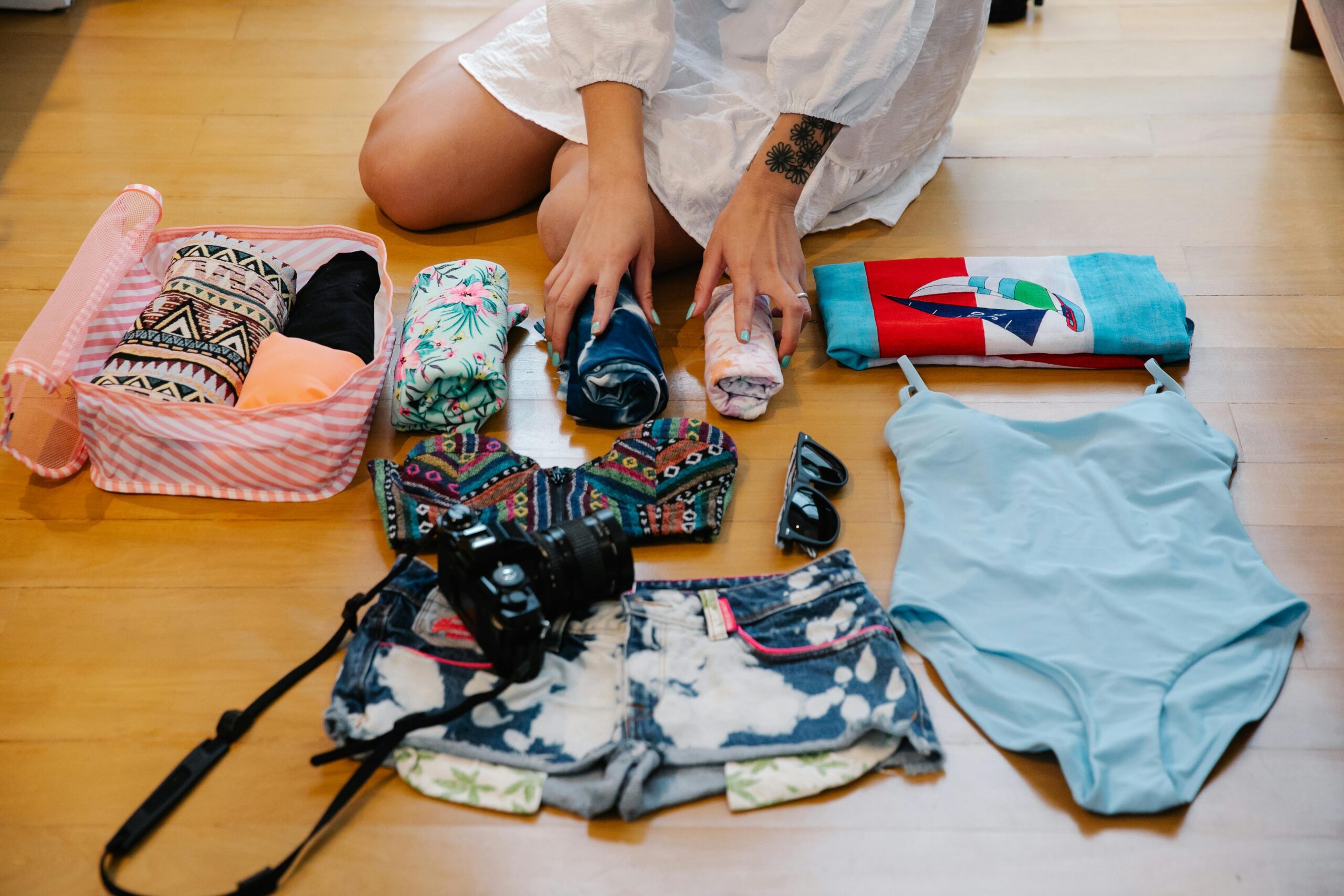
Efficient packing transforms overstuffed chaos into organized efficiency. Packing cubes revolutionize luggage organization, creating designated compartments for different item categories. Assign each child a specific color cube so everyone easily identifies their belongings.
Roll clothes instead of folding them—this technique minimizes wrinkles while creating more space. Place heavier items like shoes at the bag bottom near wheels, and fill empty shoe spaces with socks or underwear. Use every inch strategically without overpacking to the point where nothing closes properly.
Create a separate small bag for the actual travel day containing snacks, entertainment, one change of clothes, and essentials needed during transit. This prevents digging through the main luggage for items needed before reaching your destination.
🎯 Age-Appropriate Packing Strategies
Different developmental stages require adjusted packing approaches. Infants and toddlers need more parent-controlled organization with ample diaper supplies, formula or baby food, multiple outfit changes for inevitable messes, and comfort items. Young children benefit from visual packing lists with pictures helping them understand what goes in their bags.
School-age kids should participate in packing under supervision, learning organization skills and taking ownership of their belongings. Create a checklist they can follow, checking off items as packed. This involvement reduces forgotten items and teaches valuable life skills.
Tweens and teens can largely pack independently with final parent review. Encourage them to consider activities, weather, and space limitations in their choices. This age group often overpacks favorite items or underpacks practical necessities—guidance helps balance enthusiasm with practicality.
✨ The Night-Before Preparation Routine
Last-minute packing breeds stress and forgotten essentials. Establish a night-before routine that sets your family up for smooth departure. Lay out travel outfits for each family member, ensuring comfortable, weather-appropriate clothing. Charge all devices completely and pack them with cables immediately after charging.
Prepare a travel day bag with snacks, entertainment, and essentials kept by the door. Double-check important documents, medications, and any items that must be packed at the last minute. Review your packing list one final time, walking through each category mentally to catch any oversights.
Brief children on departure time and travel expectations. This preparation reduces morning chaos and helps kids mentally prepare for the adventure ahead. Consider setting alarms with extra buffer time—rushing increases stress and the likelihood of forgetting something important.
🌟 Making Packing Part of the Adventure
Transform packing from a chore into an exciting pre-trip activity that builds anticipation. Play upbeat music while organizing belongings, let children decorate their bags with temporary stickers or luggage tags they design, and create a countdown calendar marking days until departure while checking off packing tasks.
Use packing time to discuss destination activities, building excitement about experiences ahead. Ask children what they’re most looking forward to and ensure appropriate items are packed for those activities. This approach creates positive associations with travel preparation rather than viewing it as tedious work.
Celebrate completing packing as a family milestone. Take a photo of the organized bags ready by the door, or do a fun ritual like a family high-five. These small moments create lasting memories and establish positive travel traditions your children will remember fondly.
Short trips with kids offer wonderful opportunities for family bonding and creating cherished memories. With thoughtful packing that balances preparation with flexibility, you eliminate unnecessary stress while ensuring everyone has what they need for comfortable, enjoyable adventures. This ultimate packing list provides the framework, but personalize it to your family’s unique needs, preferences, and destination requirements. Soon, efficient packing becomes second nature, and you’ll confidently embark on spontaneous getaways knowing you’ve got everything covered. Happy travels! ✈️