In a world that moves at breakneck speed, the idea of travel has evolved beyond ticking off tourist attractions. Modern wanderers are seeking something different: journeys that prioritize rest, rejuvenation, and genuine relaxation over exhausting itineraries packed with activities.

The concept of rest-first travel is revolutionizing how we approach vacations, transforming them from energy-draining marathons into soul-nourishing experiences. This shift acknowledges a simple truth: sometimes the best souvenir you can bring home is a well-rested mind and body, ready to tackle life’s challenges with renewed vigor.
🌿 Understanding the Rest-First Travel Philosophy
Rest-first travel flips traditional vacation planning on its head. Instead of cramming every waking hour with sightseeing, this approach builds itineraries around relaxation, with activities serving as pleasant additions rather than the main focus. The philosophy recognizes that true travel fulfillment comes from being present in the moment, not from crossing items off an endless checklist.
This travel style acknowledges that our bodies and minds need genuine downtime to process experiences, adapt to new environments, and truly absorb the essence of a destination. It’s about quality over quantity, depth over breadth, and mindfulness over mindless tourism.
Why Traditional Travel Often Falls Short
Many travelers return from vacations feeling more exhausted than when they left. The culprit? Overpacked itineraries that treat travel like a competitive sport. Racing from museum to monument, waking at dawn for tours, and squeezing in “must-see” attractions creates a paradox where vacation becomes another source of stress rather than relief from it.
The pressure to maximize every moment and document every experience for social media has transformed travel into performance rather than pleasure. Rest-first travel offers an antidote to this exhaustion epidemic, prioritizing personal well-being over external validation.
✈️ Crafting Your Perfect Slow-Paced Itinerary
Building a rest-first itinerary requires intentionality and a willingness to resist FOMO (fear of missing out). The goal is creating space for spontaneity, rest, and genuine connection with your destination rather than rushing through a predetermined checklist.
The Three-Activity Rule
A cornerstone principle of rest-first travel is limiting yourself to three meaningful activities per day maximum. This might include a morning yoga session, an afternoon exploring a local market, and an evening sunset viewing. Between these anchors, you build in generous buffer time for rest, meals enjoyed without rushing, and unplanned discoveries.
This approach prevents the physical and mental fatigue that comes from over-scheduling. It allows your nervous system to downregulate from the stress of daily life, which is ultimately the true purpose of restorative travel.
Building in Buffer Days
For every three to four days of travel, incorporate a full “do nothing” day. These buffer days have no scheduled activities, no alarms, and no obligations. They’re designed for sleeping in, reading by the pool, taking leisurely walks with no destination, or simply sitting in a café watching local life unfold.
These intentional rest days allow your body to adjust to new time zones, different foods, and the physical demands of travel. They also provide mental space to process and integrate your experiences rather than continuously layering new stimuli on top of undigested impressions.
🏝️ Ideal Destinations for Restorative Travel
While rest-first principles can be applied anywhere, certain destinations naturally lend themselves to relaxation-centered experiences. These locations offer the infrastructure, atmosphere, and cultural acceptance of slower-paced exploration.
Coastal Retreats and Beach Sanctuaries
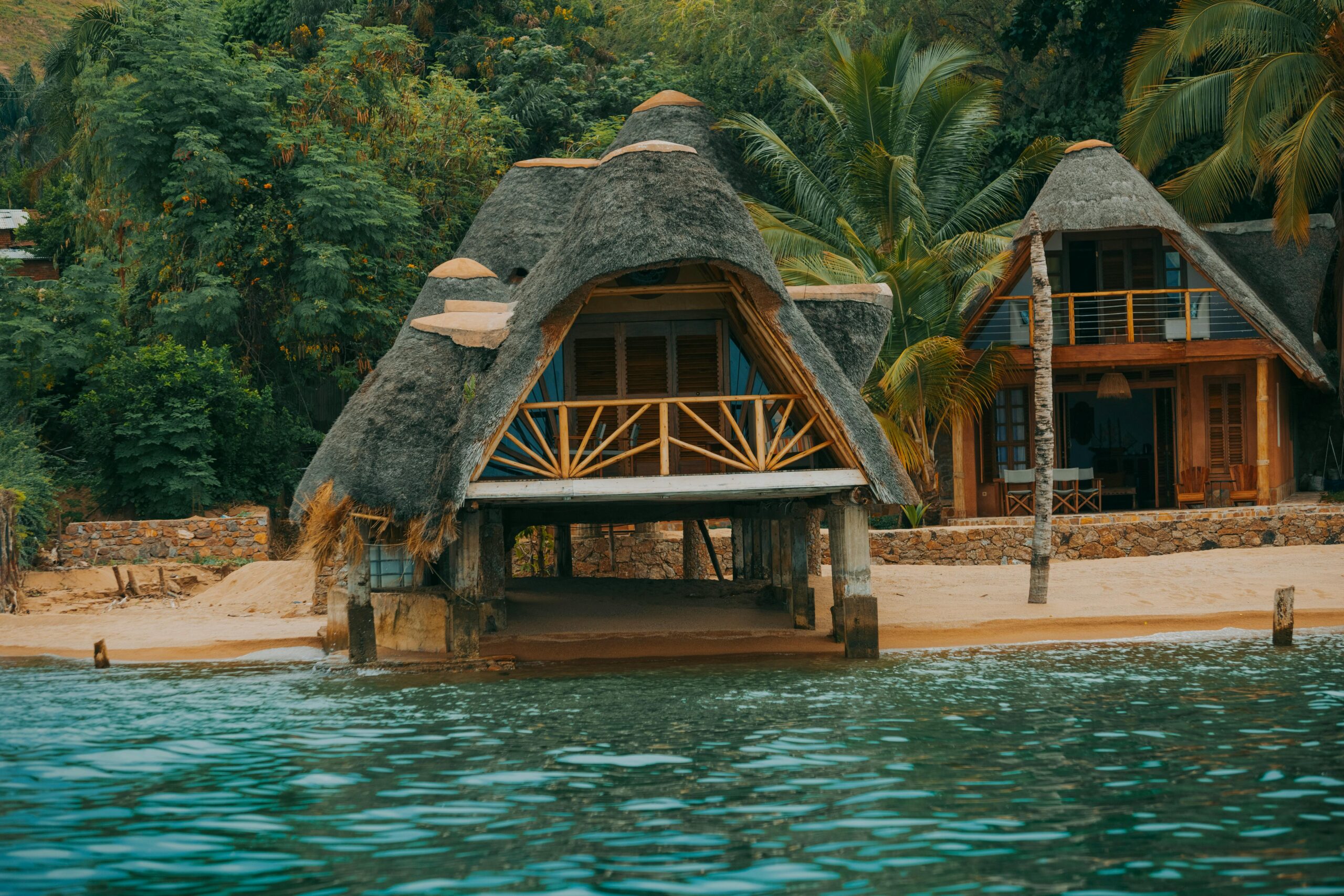
Seaside destinations provide natural environments conducive to rest. The rhythmic sound of waves, negative ions in the ocean air, and the invitation to simply sit and gaze at the horizon make coastal areas ideal for stress-free adventures. Consider destinations like the Greek Islands, Bali’s quieter beaches, Portugal’s Algarve region, or Thailand’s less-developed islands.
These locations offer the perfect balance: opportunities for gentle activities like swimming, snorkeling, or beachside yoga, alongside ample space for doing absolutely nothing. Many coastal communities have embraced the slow-travel movement, offering accommodations and experiences designed specifically for those seeking restoration.
Mountain Hideaways and Nature Escapes
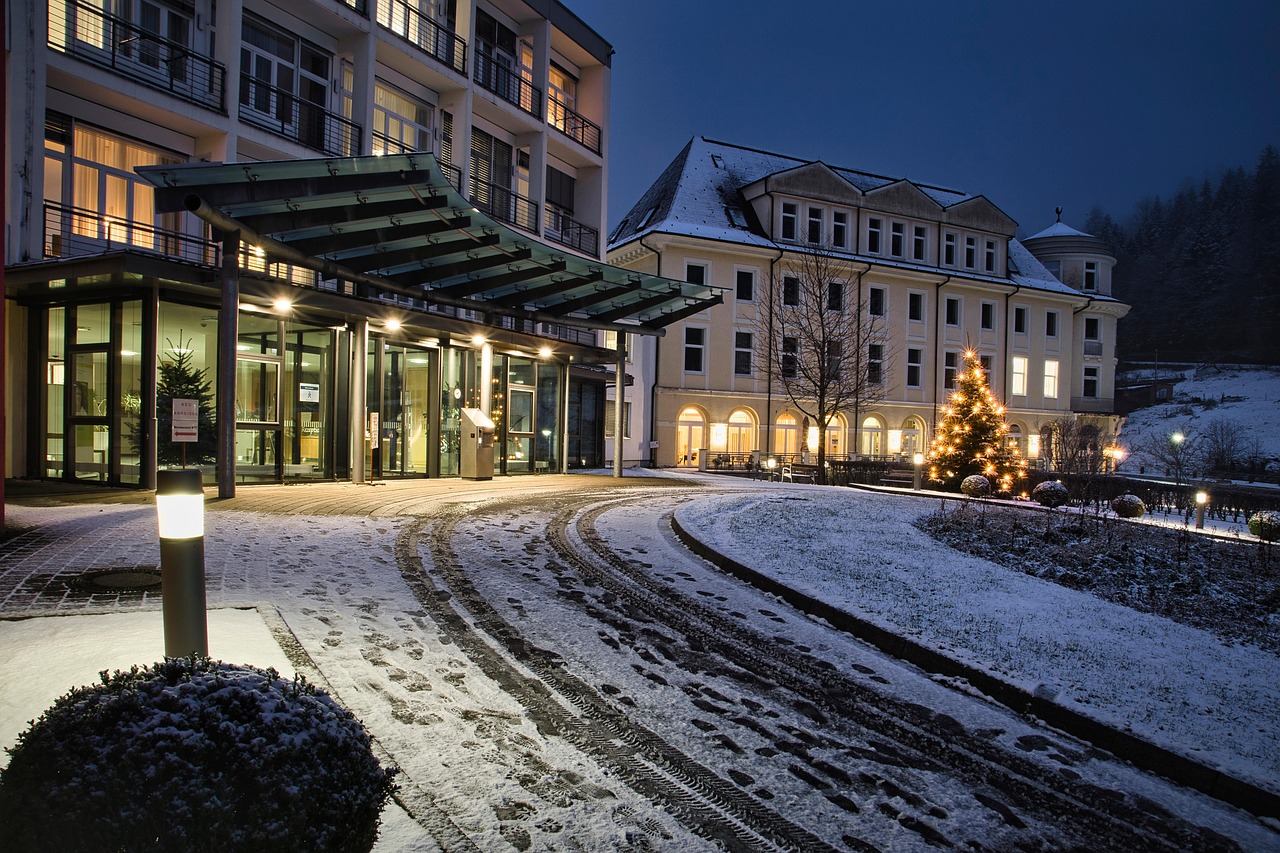
Mountain destinations offer different but equally powerful restorative benefits. The cleaner air, reduced electromagnetic interference, and immersion in nature provide profound rest for overstimulated nervous systems. Consider the Swiss Alps, Japanese mountain villages, the Scottish Highlands, or the Blue Ridge Mountains.
Forest bathing, gentle hiking, and simply sitting surrounded by nature have documented health benefits including reduced cortisol levels, improved immune function, and enhanced mental clarity. Mountain retreats typically emphasize disconnection from technology and reconnection with natural rhythms.
Wellness-Focused Destinations
Certain destinations have built entire tourism infrastructures around rest and rejuvenation. Bali, Costa Rica, India’s Kerala region, and Arizona’s Sedona exemplify locations where wellness tourism thrives. These areas offer abundant spas, yoga retreats, meditation centers, and healing practitioners.
What sets these destinations apart is cultural acceptance and celebration of rest as a valuable activity rather than laziness. You’ll find accommodations designed for tranquility, restaurants focusing on nourishing cuisine, and activities centered on restoration rather than adrenaline.
🛏️ Accommodation Strategies for Maximum Restoration
Where you stay significantly impacts your ability to rest. The right accommodation becomes a sanctuary supporting your rejuvenation rather than just a place to sleep between activities.
Choosing Quality Over Location
Rest-first travel often means selecting accommodations slightly removed from tourist centers. A peaceful villa twenty minutes from town beats a centrally-located hotel facing noisy streets. Prioritize properties with outdoor spaces, comfortable common areas, and amenities supporting relaxation like pools, gardens, or spa facilities.
Read reviews specifically mentioning quiet, comfort, and relaxation rather than proximity to attractions. Look for phrases like “peaceful,” “tranquil,” and “perfect for unwinding” rather than “close to everything” or “great nightlife nearby.”
Extended Stays in Fewer Locations
One of the biggest mistakes in traditional travel is constantly changing locations. Packing and unpacking, checking in and out, and adjusting to new spaces creates cumulative stress that undermines relaxation. Rest-first itineraries embrace longer stays in fewer places.
Spending five to seven days in one location allows you to establish routines, discover favorite local spots, and genuinely settle in rather than constantly being in transition mode. You’ll sleep better, experience less travel fatigue, and develop a more authentic connection with your destination.
🧘 Activities That Energize Rather Than Deplete
Rest-first travel doesn’t mean zero activity—it means choosing experiences that restore rather than drain your energy reserves. The focus shifts to quality engagement that leaves you feeling refreshed rather than exhausted.
Gentle Movement Practices
Activities like yoga, tai chi, swimming, casual cycling, or leisurely walks combine movement with mindfulness. These practices energize without depleting, improve circulation after long flights, and help process stress stored in the body.
Many destinations offer beachside yoga, forest walks with local guides, or gentle hiking trails designed for contemplation rather than conquest. These activities complement rest rather than competing with it, leaving you feeling vital rather than drained.
Cultural Immersion Through Connection
Deep cultural engagement can be profoundly restorative when approached mindfully. Cooking classes with local families, conversation exchanges with residents, or participating in traditional ceremonies offer meaningful connection without the exhaustion of tourist attractions.
These experiences engage your curiosity and create genuine memories without the physical demands of marathon sightseeing. They also typically operate at local pace rather than tourist speed, naturally building in moments of rest and conversation.
Creative and Contemplative Activities
Photography walks, journaling in beautiful settings, watercolor painting, or learning traditional crafts provide engaging activities that calm rather than stimulate the nervous system. These pursuits create flow states associated with both enjoyment and restoration.
Many destinations offer workshops in local arts, from pottery to weaving to traditional painting techniques. These activities provide structure to your day while supporting the meditative states that promote genuine rest.
📱 Technology Boundaries for True Disconnection
One of the biggest obstacles to restorative travel is our inability to disconnect from digital demands. Rest-first itineraries require intentional technology boundaries that protect your mental space and allow genuine presence.
Designated Device-Free Times
Establish clear periods when devices are put away: during meals, before bed, the first hour after waking, or entire mornings or afternoons. Use these boundaries to reclaim attention and presence, allowing you to fully experience your surroundings without the pull of notifications and emails.
Consider using apps that support digital wellness by limiting access to work emails or social media during travel. Your rest is too valuable to sacrifice to the illusion of digital urgency.
Tools like Forest help you stay focused and present by gamifying phone-free time, allowing you to “grow” virtual trees while you disconnect from digital distractions and connect with your actual environment.
Analog Alternatives
Replace digital habits with analog alternatives during your rest-first journey. Bring physical books instead of scrolling social media, use paper maps for navigation adventures, and keep a handwritten journal instead of documenting everything through photos.
These switches reduce eye strain, decrease mental stimulation before sleep, and create more embodied, memorable experiences. The act of writing by hand or reading physical pages engages your brain differently, supporting the restoration you’re seeking.
🍽️ Nourishment as Part of Rest
Food choices significantly impact energy levels and restoration. Rest-first travel incorporates mindful eating that supports rather than undermines your wellbeing.
Prioritizing Quality and Local Ingredients
Seek out restaurants emphasizing fresh, locally-sourced ingredients prepared simply. These meals typically offer better nutrition and fewer inflammatory ingredients than tourist-oriented restaurants serving international comfort food.
Markets and small family-run establishments often provide the most nourishing options. Take time to learn about local ingredients and traditional preparation methods that have sustained communities for generations.
Mindful Eating Practices
Transform meals into restorative rituals rather than fuel stops. Eat slowly, without devices, focusing on flavors, textures, and company. This mindful approach aids digestion, increases satisfaction, and creates memorable experiences.
Schedule ample time for meals without rushing to the next activity. The Mediterranean tradition of leisurely lunches or the Japanese practice of savoring small, beautifully presented portions offer models for eating as restoration.
💤 Sleep as the Foundation of Restoration
Quality sleep is non-negotiable in rest-first travel. All the peaceful destinations and gentle activities in the world cannot compensate for poor sleep.
Creating Optimal Sleep Conditions
Choose accommodations with good mattresses, effective darkness (blackout curtains or eye masks), appropriate temperature control, and minimal noise. Don’t hesitate to request room changes if sleep conditions are inadequate—your entire trip’s success depends on good sleep.
Bring sleep essentials from home: your pillow, white noise apps, essential oils, or whatever supports your best rest. Maintaining sleep rituals even while traveling helps your body adjust and rest deeply.
Respecting Your Sleep Needs
Abandon the idea that sleeping in is “wasting” vacation time. Your body may need extra sleep to recover from travel stress, adjust to new time zones, or catch up on accumulated sleep debt. Honor this need without guilt.
Schedule activities for later in the day if you’re naturally a late riser, or embrace early evenings if sunset renders you sleepy. Rest-first travel means adapting to your body’s actual needs rather than forcing it to conform to arbitrary vacation expectations.
🌅 Sample Rest-First Itineraries
To make these principles concrete, here are sample itineraries demonstrating rest-first travel in action.
Seven-Day Coastal Restoration
Days 1-2: Arrive at beachside accommodation. Unpack fully, explore immediate surroundings, have one nice dinner out. Spend the second day entirely at leisure with no scheduled activities—sleep, read, swim, repeat.
Days 3-4: Morning yoga or beach walk, followed by breakfast and free time. One afternoon activity like a cooking class or gentle snorkeling. Evenings for sunset watching and relaxed dinners.
Day 5: Complete rest day. No agenda, no alarms, no obligations. Follow your body’s signals entirely.
Days 6-7: Optional morning market visit or cultural site if energy permits. Mostly unstructured time for integration and final relaxation before travel home.
Ten-Day Mountain Retreat
Days 1-3: Settle into mountain accommodation. Short orientation walks to acclimate to altitude. Mostly reading, resting, and enjoying mountain views. Evening stretching or gentle yoga.
Days 4-5: One moderate hike with plenty of breaks and contemplative pauses. Afternoon rest and evening journaling about insights from nature immersion.
Day 6: Complete rest day or spa treatments focusing on restoration.
Days 7-8: Creative activities like photography or sketching in nature. Mindful meals focusing on local mountain cuisine. Evening stargazing or storytelling by fireplace.
Days 9-10: Integration days with minimal activity, packing slowly, and transitioning back to regular life mindfully.

🎯 Returning Home Rested: The Real Success Metric
The true test of rest-first travel is not what you saw or did, but how you feel when returning home. Successful restorative travel leaves you energized rather than depleted, with mental clarity rather than confusion, and eagerness for regular life rather than depression that vacation has ended.
This approach to travel challenges cultural narratives about productivity, achievement, and making the most of every moment. It offers instead a radical alternative: that rest itself is an accomplishment, that restoration is productive, and that the most valuable souvenir is a nervous system that has genuinely recovered from modern life’s relentless demands.
By embracing rest-first travel principles, you transform vacations from exhausting obligations into genuine opportunities for renewal. You return not just with photos and stories, but with restored energy, fresh perspective, and renewed capacity to engage with life. That is the true adventure—and it begins with giving yourself permission to rest.