
Travel days don’t have to be chaotic nightmares filled with last-minute panics and unnecessary stress. With the right routines and mindset, every journey can become a smooth, enjoyable experience that leaves you refreshed rather than exhausted.

Frequent flyers understand that mastering the art of travel isn’t about luck—it’s about developing consistent habits that eliminate common pain points. Whether you’re boarding your fifth flight this month or preparing for an important business trip, implementing structured routines transforms travel from a necessary burden into a seamless part of your lifestyle. The difference between travelers who arrive frazzled and those who glide through airports with confidence lies entirely in their preparation and execution of proven travel day rituals.
🌅 The Night Before: Setting Yourself Up for Success
Your travel day actually begins the evening before departure. Successful frequent flyers never leave preparation to the morning rush. Start by laying out your complete outfit, including accessories, shoes, and any jewelry you plan to wear. This simple act eliminates decision fatigue when you’re groggy and running on limited time.
Pack your carry-on bag strategically, positioning frequently accessed items like your passport, boarding pass, headphones, and chargers in easily reachable pockets. Keep your liquids bag on top—you’ll thank yourself when security screening arrives. Double-check that all electronics are charged and that you’ve downloaded any entertainment or work materials for offline access.
Set multiple alarms with different tones to ensure you actually wake up. Calculate your departure time by working backwards: add your flight boarding time, plus airport arrival buffer (typically 90 minutes for domestic, 3 hours for international), plus transportation time, plus a 20-minute cushion for unexpected delays. This mathematical approach removes guesswork and anxiety.
☕ Morning Rituals That Prevent Travel Chaos
Your morning routine should be automated and virtually thoughtless. Wake up early enough to avoid rushing—nothing derails a travel day faster than starting in panic mode. Begin with hydration by drinking a full glass of water before coffee or tea, as airplane cabins are notoriously dehydrating environments.
Eat a protein-rich breakfast that will sustain your energy through potential delays and limited food options. Avoid heavy, greasy foods that might cause discomfort during flights. Oatmeal with nuts, eggs with whole grain toast, or Greek yogurt with fruit provide lasting fuel without digestive complications.
Complete a final walk-through of your home using a checklist approach. Verify that all windows are locked, appliances are unplugged, thermostats are adjusted, and any pet care arrangements are confirmed. Take a photo of your locked front door—it sounds silly, but this simple act prevents mid-flight anxiety about whether you secured your home.
📱 Digital Preparedness: Your Virtual Travel Assistant
Technology has revolutionized travel efficiency, but only when used strategically. Download your airline’s official app and enable push notifications for real-time gate changes, delays, and boarding updates. These alerts often arrive before airport displays update, giving you a crucial time advantage.
Organize all confirmation emails into a dedicated folder or use a travel management app like TripIt that consolidates bookings, creates itineraries, and sends timely reminders. Having everything accessible in one location eliminates frantic email searching at critical moments.
Store digital copies of essential documents—passport, driver’s license, travel insurance, prescriptions—in a secure cloud service. Take screenshots of your boarding passes and hotel confirmations as backup options when internet connectivity becomes unreliable. Enable offline maps for your destination city so navigation doesn’t require data or Wi-Fi.
🚗 Transportation Strategy: Timing and Backup Plans
Never rely on a single transportation method without contingency options. If you’re driving and parking at the airport, identify your exact parking location using both the facility’s numbering system and a GPS pin. Take a photo of the section number and your car from multiple angles—seemingly unnecessary until you return exhausted days later.
For rideshare or taxi services, schedule pickups with buffer time and always have a backup service downloaded. Monitor your driver’s progress and communicate promptly if timing looks problematic. Keep the phone number of a reliable local taxi company as your emergency backup when apps fail or surge pricing becomes unreasonable.
Public transportation users should check schedules the night before and morning of travel, as routes occasionally experience disruptions. Download offline transit maps and identify alternative routes to your airport. Always plan to arrive one train or bus earlier than your minimum required time.
✈️ Airport Navigation: The Frequent Flyer Fast Track
Arrive with enough time to move calmly rather than sprint through terminals. Frequent flyers use this extra time productively—responding to emails, making calls in quiet areas, or simply decompressing before boarding. Rushing creates stress hormones that linger throughout your journey.
Enroll in TSA PreCheck or Global Entry if you travel domestically more than twice yearly. The relatively small fee pays for itself in reduced stress and saved time. These programs transform security screening from a frustrating bottleneck into a five-minute formality, allowing you to keep shoes, belts, and light jackets on while leaving laptops and liquids packed.
Know your airport’s layout before arrival. Most major airports provide detailed terminal maps online showing security checkpoints, gate locations, restaurants, and amenities. Identify which checkpoint typically has shortest lines and which concourse contains your departure gate. This knowledge prevents aimless wandering and wrong-terminal panic.
🎒 The Perfectly Optimized Carry-On System
Your carry-on should function as a mobile office, comfort station, and emergency supply kit combined. Organize items into categories using packing cubes or pouches: electronics in one section, personal care items in another, clothing in a third. This compartmentalization allows instant access without dumping your entire bag.
Essential items for every carry-on include: portable charger with multiple cables, noise-canceling headphones, empty water bottle (fill after security), snacks like nuts or protein bars, medications in original containers, hand sanitizer, face wipes, lip balm, eye drops, and a light sweater or scarf. These items address the most common in-flight discomforts and emergencies.
Create a personal “just in case” kit containing basics like pain relievers, antacids, bandages, and any prescription medications with a few days’ extra supply. Airlines lose checked baggage with frustrating regularity—your carry-on should contain everything needed to function for 24-48 hours if your main luggage goes astray.
⏰ Time Management at Security and Gates
Security checkpoint efficiency comes from preparation and observation. While waiting in line, remove items from pockets, prepare your liquids bag, and have your ID and boarding pass readily accessible. Watch TSA agents and follow their specific instructions—each airport implements slightly different protocols.
After clearing security, immediately check departure boards for any gate changes before heading to restaurants or shops. Set a phone alarm for 45 minutes before boarding time as your “return to gate” reminder. This prevents the surprisingly common scenario of losing track of time while browsing airport shops and missing boarding calls.
Position yourself near your gate during the final 30 minutes before boarding. You don’t need to hover at the door, but staying within visual range allows you to notice early boarding calls, gate changes, or delays. Use this time productively with work, reading, or meditation rather than anxious pacing.
🧘 In-Flight Routines for Comfort and Productivity
Board efficiently by having your seat assignment memorized and carry-on organized for quick stowing. Place frequently needed items in the seat pocket before takeoff: phone, headphones, book, snacks, and any work materials. This prevents mid-flight overhead bin gymnastics that annoy fellow passengers.
Establish your personal space immediately. Adjust air vents, position reading lights, and claim your armrest territory diplomatically. Hydrate aggressively throughout the flight—aim for 8 ounces of water per hour. Avoid excessive alcohol and caffeine, which exacerbate dehydration and disrupt sleep patterns.
Frequent flyers use flight time strategically based on duration. Short flights under two hours are perfect for focused work tasks, reading, or podcast listening. Longer flights should include movement breaks every 90 minutes—walk the aisle, perform seated stretches, and exercise ankles to maintain circulation and prevent stiffness.
💼 Maximizing Productivity at 35,000 Feet
Transform flight time into your most productive work periods by preparing appropriately. Download all necessary files and documents before departure, as in-flight Wi-Fi remains unreliable and expensive. Create an offline playlist, download work presentations, and save articles or reports for reading without connectivity.
Use noise-canceling headphones to create a focused work environment. The airplane’s white noise actually helps many people concentrate better than office settings. Tackle tasks requiring deep focus like writing, strategic planning, or complex analysis that might face constant interruptions in traditional office environments.
For those who can’t work on flights, use travel time for personal development through audiobooks, language learning apps, or online courses saved for offline access. This mindset shift transforms “dead time” into valuable personal growth opportunities that accumulate significantly over multiple trips.
🏨 Post-Flight Transitions: From Plane to Destination
Your travel day doesn’t end when wheels touch down. Efficient frequent flyers have post-landing routines that minimize exhaustion and maximize productivity upon arrival. Before the seatbelt sign turns off, review your ground transportation plan, confirm any pickup arrangements, and identify your baggage carousel number.
Navigate airports confidently by following signage for ground transportation, baggage claim, or connecting flights. Keep moving with purpose rather than stopping in high-traffic areas to check phones. Find designated waiting zones if you need to pause and reassess your next steps.
If collecting checked baggage, position yourself strategically at the carousel where bags typically emerge (usually near the beginning). Have your baggage claim ticket and identification ready for any spot checks. While waiting, respond to any urgent messages and confirm your accommodation details.
🌙 Arrival Routines: Setting Up for Success at Your Destination
Upon reaching your accommodation, spend 15 minutes unpacking essentials and organizing your space, even for one-night stays. Hang wrinkled clothes immediately, charge all devices, and set up your toiletries. This small investment creates a comfortable home base that reduces stress throughout your stay.
Adjust to new time zones strategically by immediately adopting local meal and sleep schedules. If arriving during destination daytime, resist napping urges and stay active until a reasonable local bedtime. Exposure to natural sunlight helps reset your circadian rhythm faster than any supplement.
Complete a quick orientation walk if time permits. Identify nearby conveniences like coffee shops, pharmacies, and ATMs. This familiarization reduces tomorrow’s cognitive load and provides gentle physical activity after hours of sitting. Take note of breakfast options and your route to any meetings or appointments.
🔋 Recovery and Reset: Maintaining Long-Term Travel Stamina
Frequent travel demands intentional recovery practices to prevent cumulative exhaustion. Prioritize sleep quality by maintaining consistent bedtime routines even in hotels. Pack a few comfort items like your preferred pillow case or white noise app to create familiar sleep environments in unfamiliar locations.
Stay physically active through hotel gym sessions, morning runs, or even in-room bodyweight exercises. Movement counteracts travel’s sedentary nature and helps maintain energy levels across multiple trip days. Many hotels now offer yoga mats and resistance bands upon request for travelers committed to maintaining fitness routines.
Protect your mental health by scheduling genuine downtime between trips when possible. Build buffer days at home for laundry, meal prep, and simply existing without itineraries. The most successful frequent flyers recognize that sustainable travel requires periods of intentional rest and routine domestic life.
📊 Tracking and Optimizing Your Travel Patterns
Review each trip objectively to identify improvement opportunities. What caused stress? Which preparations proved unnecessary? What would you do differently? Maintain a simple travel journal or notes app documenting these insights while they’re fresh. Patterns emerge over multiple trips that reveal your unique optimal routines.
Monitor your loyalty program accounts regularly and understand the benefits you’re accumulating. Frequent flyer miles, hotel points, and credit card rewards can significantly offset travel costs when used strategically. Set calendar reminders to use expiring benefits and monitor promotions that maximize your earning potential.
Invest in quality travel gear that withstands frequent use. A durable carry-on bag, comfortable walking shoes, and reliable electronics are not expenses—they’re investments in reduced stress and increased efficiency. Calculate cost-per-use rather than absolute price when evaluating travel equipment purchases.
🎯 Building Your Personalized Travel Day System
The routines outlined here provide a framework, but your perfect travel day system will be uniquely yours. Experiment with different timing, packing strategies, and productivity approaches until you discover what genuinely reduces your stress and increases your efficiency. What works for a business consultant differs from what works for a sales representative or academic researcher.
Start implementing these routines gradually rather than attempting wholesale changes immediately. Choose two or three practices that address your biggest current pain points, master those, then add additional routines. This incremental approach creates sustainable habits rather than overwhelming systems you’ll abandon after one trip.
Share your successful strategies with fellow frequent travelers and remain open to their innovations. Travel communities online and offline provide valuable crowdsourced wisdom that continuously evolves with changing airline policies, airport layouts, and available technologies. The learning never stops for those committed to travel mastery.
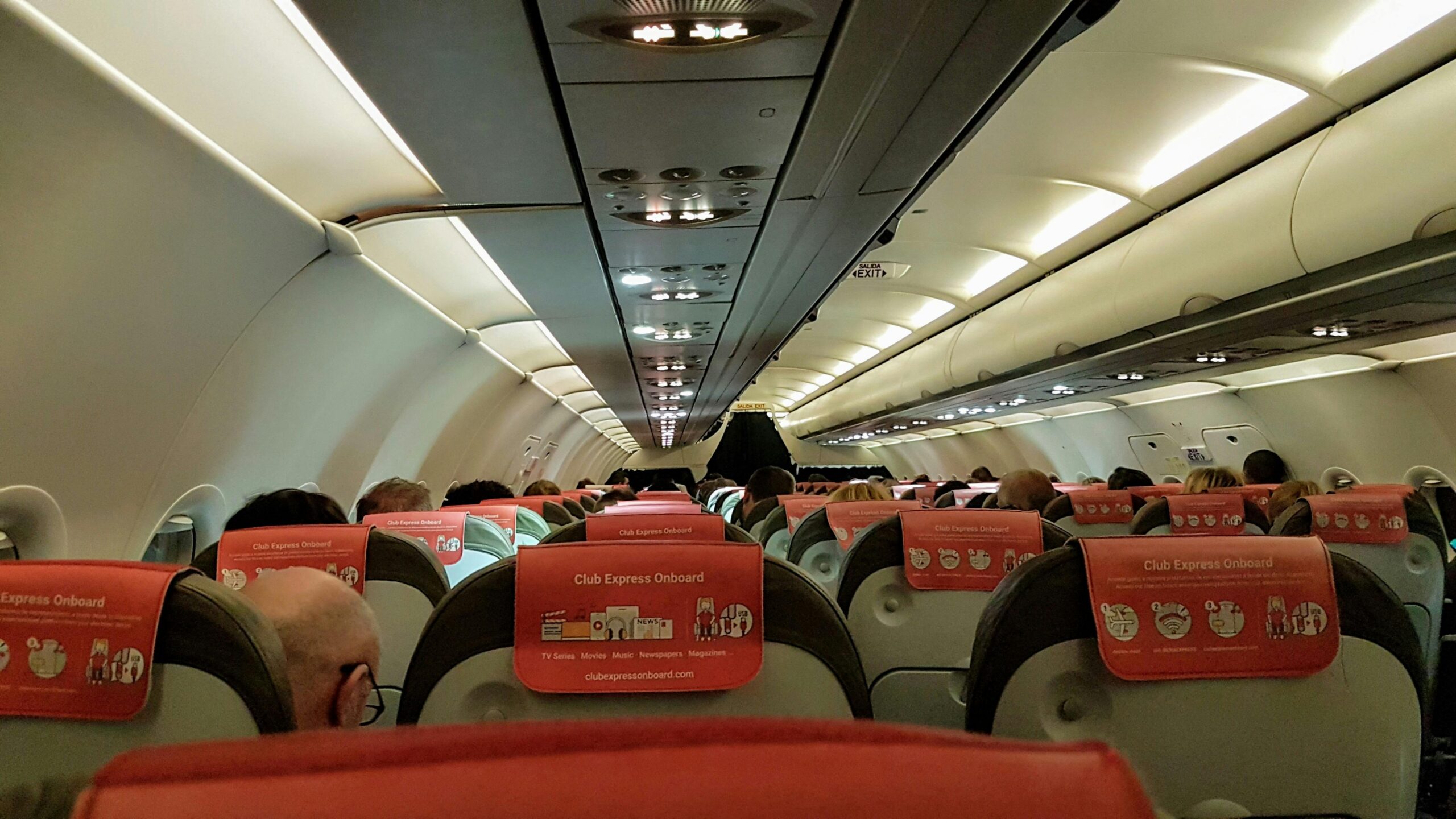
🌟 The Transformation From Stressed to Streamlined
Mastering your travel day isn’t about becoming robotic or eliminating all spontaneity—it’s about creating a reliable foundation that handles logistics efficiently so you can focus on the actual purpose of your journey. Whether traveling for business opportunities, family connections, or personal adventures, reducing travel day stress allows you to arrive present, energized, and ready to engage fully.
These essential routines represent collected wisdom from millions of frequent flyer miles and countless refined systems. They work because they address the actual challenges travelers face rather than theoretical ideals. Each checklist, each backup plan, and each intentional habit serves the singular purpose of making your journey smoother, more predictable, and ultimately more enjoyable.
Begin your transformation today by implementing just one routine from this guide on your next trip. Notice the difference it makes in your stress level and efficiency. Then add another, and another, building your personalized travel day mastery system that turns what once felt chaotic into a series of confident, controlled steps that deliver you reliably to your destination ready to accomplish whatever brought you there. ✈️