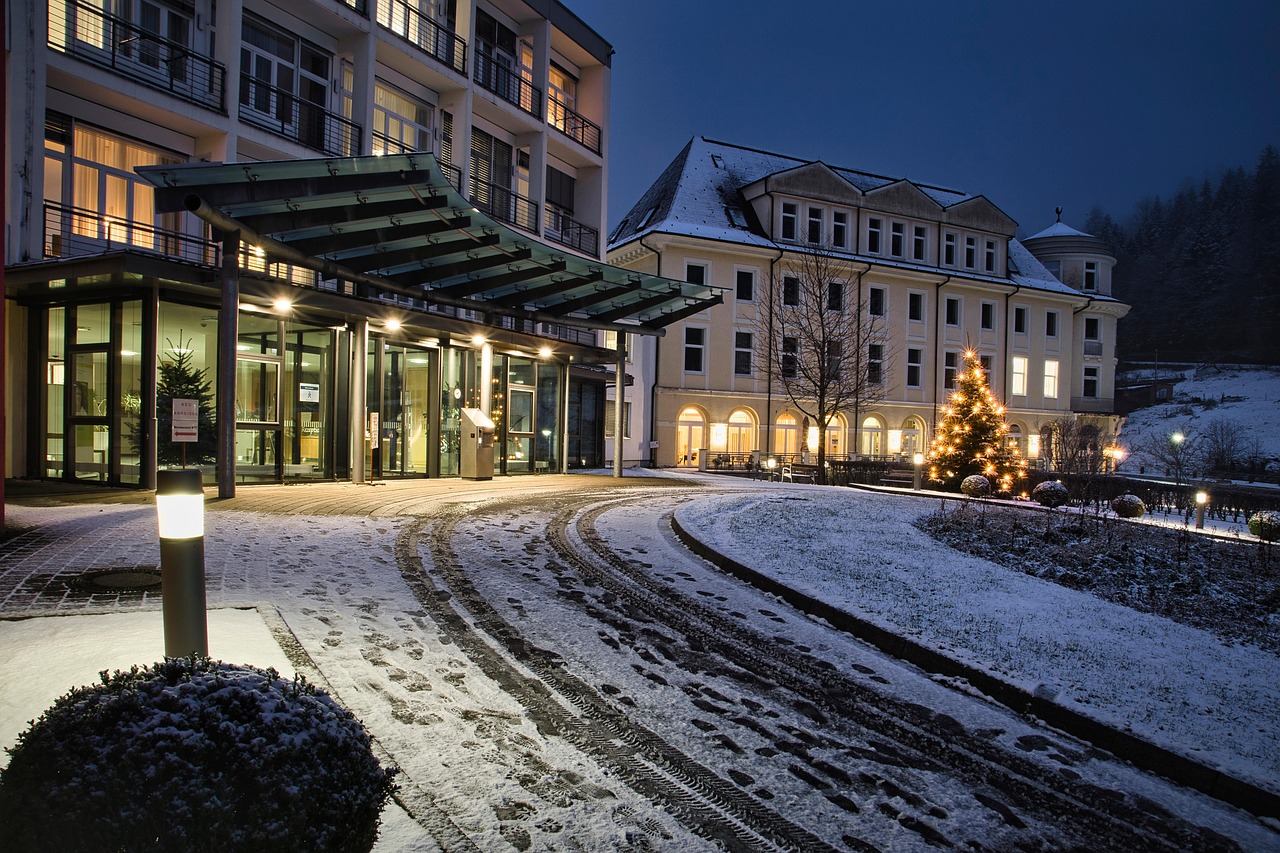
Cleanliness in accommodations has evolved from a simple expectation to an absolute necessity. Today’s travelers demand spotless environments that protect their health and enhance their overall experience, making hygiene standards more critical than ever before.

The global pandemic fundamentally transformed how we perceive cleanliness in hotels, vacation rentals, and all forms of lodging. What once seemed adequate now falls short of expectations, pushing property owners and managers to adopt rigorous cleaning protocols that go far beyond traditional housekeeping practices.
🏨 Why Accommodation Hygiene Matters More Than Ever
The hospitality industry faces unprecedented scrutiny regarding cleanliness standards. Guests now research cleaning protocols before booking, read reviews specifically mentioning hygiene, and often choose accommodations based primarily on their commitment to sanitation. This shift represents a fundamental change in consumer behavior that shows no signs of reverting to pre-pandemic norms.
Beyond meeting expectations, exceptional cleanliness directly impacts business performance. Properties with stellar hygiene reputations command higher rates, receive better reviews, and enjoy increased occupancy rates. Conversely, a single cleanliness complaint can devastate a property’s reputation, potentially costing thousands in lost revenue and recovery efforts.
Health and safety concerns extend beyond visible dirt. Pathogens, allergens, and contaminants invisible to the naked eye pose genuine risks to guest wellbeing. Professional-grade cleaning eliminates these threats, creating genuinely safe environments that protect both guests and staff members.
🧹 Essential Pre-Arrival Deep Cleaning Protocols
Before any guest crosses the threshold, accommodations must undergo comprehensive deep cleaning that addresses every surface and space. This foundational process sets the stage for a pristine guest experience and prevents the accumulation of dirt, grime, and potential health hazards.
High-Touch Surface Sanitization
Door handles, light switches, remote controls, thermostats, and other frequently touched surfaces harbor the highest concentration of germs. These areas require special attention with EPA-approved disinfectants that eliminate bacteria, viruses, and other pathogens. Cleaning staff should follow proper contact times, allowing disinfectants to remain on surfaces long enough to achieve maximum effectiveness.
Remote controls deserve particular attention, as they often harbor more bacteria than toilet seats. Removing batteries, cleaning between buttons, and thoroughly sanitizing all surfaces ensures these essential devices don’t become vectors for illness transmission.
Bathroom Deep Cleaning Excellence
Bathrooms represent the most critical cleaning challenge in any accommodation. Guests expect these spaces to be absolutely immaculate, with zero tolerance for hair, soap scum, water stains, or any indication of previous occupancy.
A thorough bathroom cleaning protocol includes:
- Scrubbing and disinfecting toilets, including under the rim and around the base
- Cleaning shower walls, doors, and fixtures to remove all soap residue and mineral deposits
- Sanitizing sinks, faucets, and countertops with appropriate disinfectants
- Washing and replacing all towels, bathmats, and shower curtains
- Cleaning mirrors to a streak-free shine
- Emptying and sanitizing trash receptacles
- Restocking essential supplies including toilet paper, tissues, and soap
- Checking and cleaning ventilation fans to prevent mold and mildew
Kitchen and Dining Area Sanitation
For properties with kitchen facilities, these areas demand meticulous attention. Food preparation surfaces must be sanitized to food-safe standards, appliances cleaned inside and out, and all dishes, utensils, and cookware thoroughly washed and inspected.
Refrigerators require complete emptying, washing of all shelves and drawers, and odor elimination. Microwaves, ovens, stovetops, and dishwashers need deep cleaning to remove food residue and prevent cross-contamination between guests. Coffee makers deserve special attention, as mineral buildup and old coffee residue can affect taste and harbor bacteria.
🛏️ Bedroom Cleaning Standards That Ensure Restful Sleep
The bedroom serves as a sanctuary where guests expect absolute cleanliness and comfort. These spaces require detailed attention to create environments conducive to relaxation and quality sleep.
Bedding and Linens Management
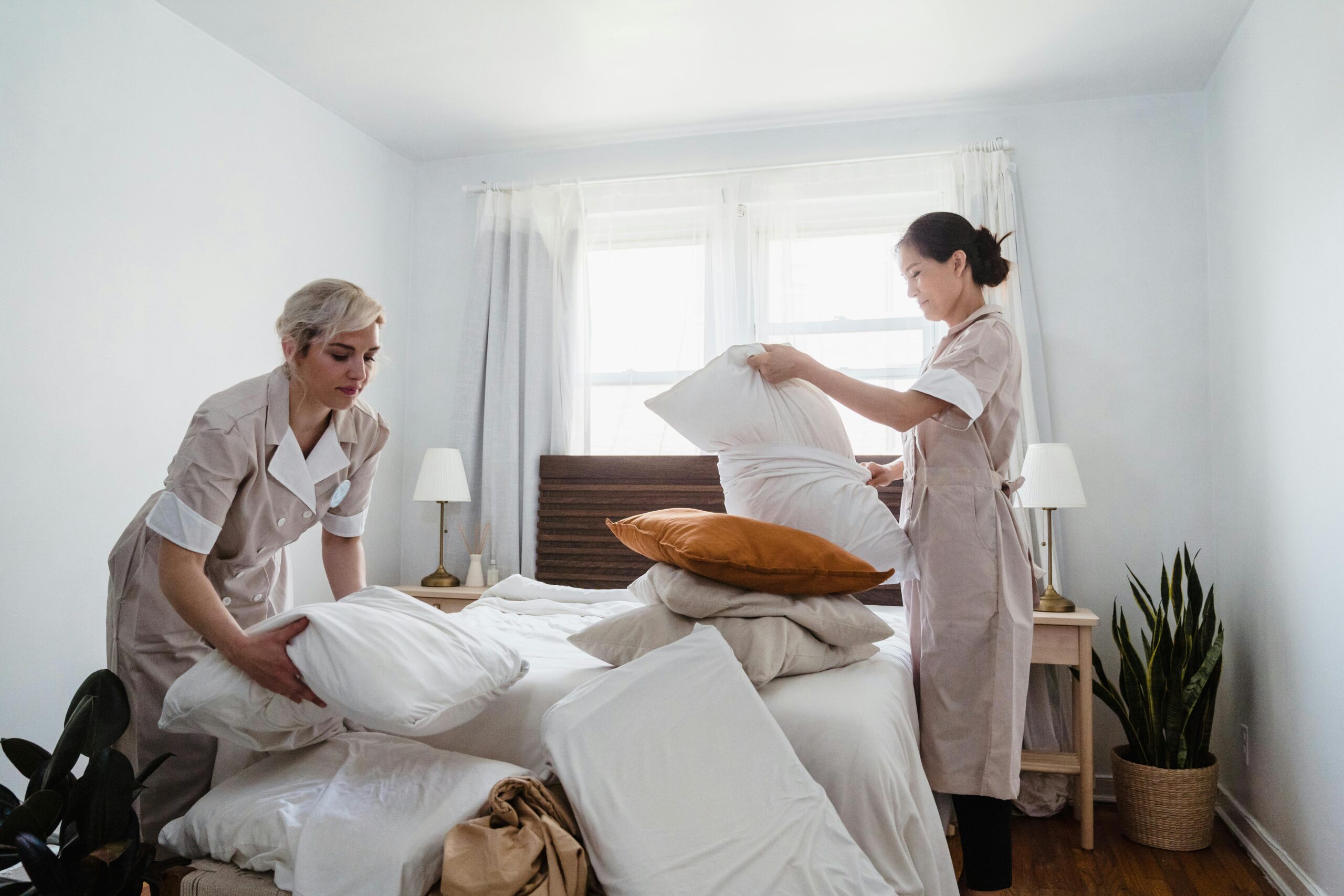
All bedding must be completely changed between guests without exception. This includes sheets, pillowcases, duvet covers, blankets, and mattress protectors. Linens should be washed in hot water with quality detergents and thoroughly dried to eliminate dust mites and allergens.
Mattresses benefit from regular vacuuming and periodic deep cleaning or steam treatment. Mattress protectors provide an additional barrier against stains, spills, and allergens while extending mattress lifespan. Pillows themselves require regular washing or replacement according to manufacturer guidelines.
Furniture and Flooring Perfection
Every piece of furniture demands attention, from nightstands and dressers to chairs and desks. Dusting removes allergens while revealing any maintenance issues requiring attention. Wood furniture benefits from appropriate polish that enhances appearance while protecting finishes.
Flooring types dictate cleaning methods. Carpets require thorough vacuuming, with periodic professional deep cleaning to remove embedded dirt and refresh appearance. Hard floors need sweeping, mopping with appropriate cleaners, and attention to corners and edges where dust accumulates.
🔍 Creating Comprehensive Cleaning Checklists
Systematic checklists ensure consistent cleaning quality regardless of which staff member performs the work. These detailed guides prevent oversights and provide accountability for every cleaning task.
Room-by-Room Breakdown
Organizing checklists by room type helps cleaning staff work efficiently while ensuring nothing gets missed. Each room category requires specific attention points that address unique cleaning challenges and guest expectations.
| Area | Priority Tasks | Frequency |
|---|---|---|
| Living Room | Vacuum upholstery, dust all surfaces, clean windows, sanitize remotes | Between guests |
| Bedroom | Change all linens, vacuum mattress, dust furniture, clean mirrors | Between guests |
| Bathroom | Deep clean all fixtures, replace towels, restock supplies, sanitize surfaces | Between guests |
| Kitchen | Clean appliances, sanitize counters, wash dishes, empty refrigerator | Between guests |
| Outdoor Areas | Sweep patios, clean furniture, remove debris, check lighting | Weekly |
Time Allocation and Task Prioritization
Understanding how long each task requires helps schedule cleaning efficiently and ensures adequate time for thorough work. Rushing through cleaning to accommodate tight turnovers inevitably compromises quality, leading to guest complaints and negative reviews.
Properties should allocate realistic timeframes based on accommodation size and complexity. Studio apartments might require two to three hours for thorough cleaning, while larger multi-bedroom properties may need five to eight hours or multiple cleaning staff working simultaneously.
🧴 Selecting Appropriate Cleaning Products and Equipment
The right tools and products make cleaning more effective while protecting surfaces and ensuring guest safety. Investing in quality supplies pays dividends through better results and improved efficiency.
Eco-Friendly Versus Traditional Cleaners
Environmental consciousness influences product selection for many properties. Eco-friendly cleaners reduce environmental impact and minimize exposure to harsh chemicals, appealing to environmentally aware guests. However, these products must still deliver effective cleaning and disinfection.
Many modern green cleaning products achieve results comparable to traditional cleaners while using safer ingredients. Properties should test various options to find products that meet both environmental standards and cleaning effectiveness requirements.
Essential Cleaning Equipment Inventory
Professional-grade equipment enhances cleaning quality and efficiency. Basic inventory should include:
- Commercial-quality vacuum cleaners with HEPA filtration
- Steam cleaners for deep sanitization without chemicals
- Microfiber cloths and mops that trap dirt effectively
- Extension poles for reaching high areas safely
- Specialized brushes for different surfaces and applications
- Personal protective equipment for cleaning staff safety
- Organizational caddies to transport supplies efficiently
✨ Special Attention Areas Often Overlooked
Even thorough cleaning routines sometimes miss certain areas that accumulate dirt or harbor germs. Identifying and addressing these commonly overlooked spots elevates cleaning from adequate to exceptional.
Hidden Dust and Dirt Collectors
Ceiling fans, air vents, baseboards, and the tops of tall furniture collect dust that affects air quality and triggers allergies. Light fixtures and lampshades also accumulate dust while picture frames and wall decorations need regular attention.
Behind and under furniture hides dust bunnies and debris that guests may discover when moving items. Regular furniture moving ensures these areas receive adequate cleaning attention, preventing embarrassing discoveries.
Electronics and Entertainment Systems
Television screens attract dust and fingerprints that detract from viewing quality. Gaming consoles, sound systems, and other entertainment equipment require careful cleaning with appropriate products that won’t damage sensitive electronics.
Charging cables, adapters, and electronic accessories should be wiped down and organized neatly. These items receive frequent handling and can transfer germs between guests if not properly sanitized.
🌿 Air Quality and Freshness Maintenance
Clean air contributes significantly to guest comfort and wellbeing. Stale odors, allergens, and poor ventilation create negative impressions that undermine even the most thorough visual cleaning.
Ventilation System Care
HVAC filters require regular replacement according to manufacturer recommendations. Dirty filters reduce system efficiency, increase energy costs, and circulate dust and allergens throughout the space.
Air ducts benefit from periodic professional cleaning that removes accumulated dust, debris, and potential mold growth. This investment improves air quality while preventing musty odors that indicate hidden problems.
Natural Freshness Strategies
Opening windows to air out spaces between guests removes stale air and introduces natural freshness. This simple step costs nothing while delivering immediate improvement to indoor air quality.
Natural air freshening approaches using plants, essential oil diffusers, or subtle scents create pleasant atmospheres without overwhelming chemical fragrances. Some guests have sensitivities to artificial scents, making natural alternatives safer and more universally appealing.
📱 Technology Supporting Cleanliness Standards
Modern technology offers tools that enhance cleaning consistency, documentation, and communication. Smart property managers leverage these solutions to maintain high standards while improving operational efficiency.
Digital Inspection and Documentation
Photographic documentation before and after cleaning provides accountability while protecting properties from false cleanliness complaints. Digital checklists ensure all tasks receive completion confirmation, creating records that help identify training needs or recurring issues.
Property management software often includes cleaning management modules that schedule tasks, track completion, and generate reports. These systems help coordinate multiple properties and cleaning teams while maintaining consistent standards.
Guest Communication About Cleanliness
Transparent communication about cleaning protocols reassures guests and demonstrates commitment to their safety. Many properties now provide detailed cleaning information on websites, in pre-arrival emails, and through in-room materials.
Some accommodations offer virtual check-ins that allow guests to see recent cleaning completion times, creating confidence that spaces meet current hygiene expectations. This transparency differentiates properties in competitive markets while setting appropriate guest expectations.
🎯 Staff Training and Quality Assurance
Even the best checklists and products fail without properly trained staff who understand cleaning importance and take pride in their work. Investing in comprehensive training programs ensures consistent quality that meets or exceeds guest expectations.
Developing Effective Training Programs
New cleaning staff need detailed instruction covering proper techniques, product usage, safety protocols, and time management. Hands-on training with experienced team members helps new hires develop skills while learning property-specific standards.
Regular refresher training keeps standards high while introducing new techniques or products. Creating opportunities for cleaners to share challenges and solutions fosters continuous improvement and professional development.
Quality Control Inspections
Random quality inspections verify that cleaning meets established standards. These checks should cover all areas using the same criteria guests would use to evaluate cleanliness. Constructive feedback helps staff improve while recognition of exceptional work encourages continued excellence.
Guest feedback provides valuable quality assurance information. Promptly addressing any cleanliness concerns demonstrates commitment to guest satisfaction while identifying areas requiring additional attention or training.
💚 Maintaining Standards Between Guest Stays
Properties sitting vacant between bookings still require maintenance to ensure ready-for-guest conditions. Dust accumulates, air becomes stale, and various issues can develop that compromise the guest experience if not addressed proactively.
Weekly checks of vacant properties prevent surprises while catching maintenance issues early. Quick cleaning touch-ups keep properties show-ready for last-minute bookings while preventing deep dirt accumulation that requires extensive remediation.
🏆 Achieving Recognition for Cleanliness Excellence
Properties that consistently deliver exceptional cleanliness earn recognition through positive reviews, repeat bookings, and industry accolades. This reputation becomes a powerful competitive advantage that drives business success.
Encouraging satisfied guests to mention cleanliness in reviews helps future guests understand your commitment to hygiene standards. Many platforms now include specific cleanliness ratings, making this factor easily comparable between properties.
Industry certifications and cleanliness designations from booking platforms provide third-party validation of hygiene standards. These credentials signal commitment to cleanliness while potentially increasing visibility in search results and booking platforms.
🌟 Creating Lasting Impressions Through Cleanliness
Exceptional cleanliness creates positive first impressions that influence every aspect of the guest experience. When guests enter spotless accommodations, they immediately feel valued, safe, and confident in their choice.
This foundation of cleanliness allows other property features to shine. Beautiful decor, convenient amenities, and thoughtful touches receive full appreciation when presented in immaculately clean environments. Conversely, even luxury accommodations with minor cleanliness issues leave guests disappointed and unlikely to return.
The hospitality industry’s future demands unwavering commitment to cleanliness that protects guest health while delivering comfortable, welcoming spaces. Properties that embrace comprehensive hygiene standards position themselves for success in this evolved landscape where cleanliness excellence isn’t optional—it’s essential for survival and growth.