
Travel should be an enriching experience for everyone, regardless of physical abilities or special needs. Understanding which accessibility features truly matter can transform a potentially stressful trip into a comfortable, enjoyable adventure.

The hospitality industry has made significant strides in recent years toward inclusive accommodations, yet knowing what to look for remains essential. Whether traveling for business, leisure, or visiting loved ones, identifying the right accessibility features before booking ensures peace of mind and a genuinely welcoming environment that caters to diverse requirements.
🏨 Understanding What Inclusive Travel Really Means
Inclusive travel extends far beyond the simple presence of a ramp or designated parking space. It encompasses a comprehensive approach to hospitality that considers mobility challenges, sensory impairments, cognitive differences, and various health conditions. True accessibility means travelers can navigate, enjoy, and interact with their accommodation independently and with dignity.
The concept has evolved from mere compliance with regulations to genuine hospitality design that benefits all guests. Features initially designed for accessibility often enhance comfort for families with strollers, elderly travelers, or anyone recovering from temporary injuries. This universal design philosophy creates spaces that work better for everyone.
When researching accommodations, travelers should look beyond generic “accessible room” labels. Detailed descriptions of specific features, measurements, and available support services provide the information necessary to make informed decisions. Properties genuinely committed to accessibility typically provide comprehensive details without requiring multiple follow-up inquiries.
🚪 Essential Room and Entrance Accessibility Features
The journey toward accessible accommodation begins at the entrance. Wide doorways measuring at least 32 inches provide adequate clearance for wheelchairs and mobility devices. Automatic or power-assisted doors eliminate the struggle with heavy entrance doors, while threshold-free entries prevent tripping hazards and facilitate smooth transitions.
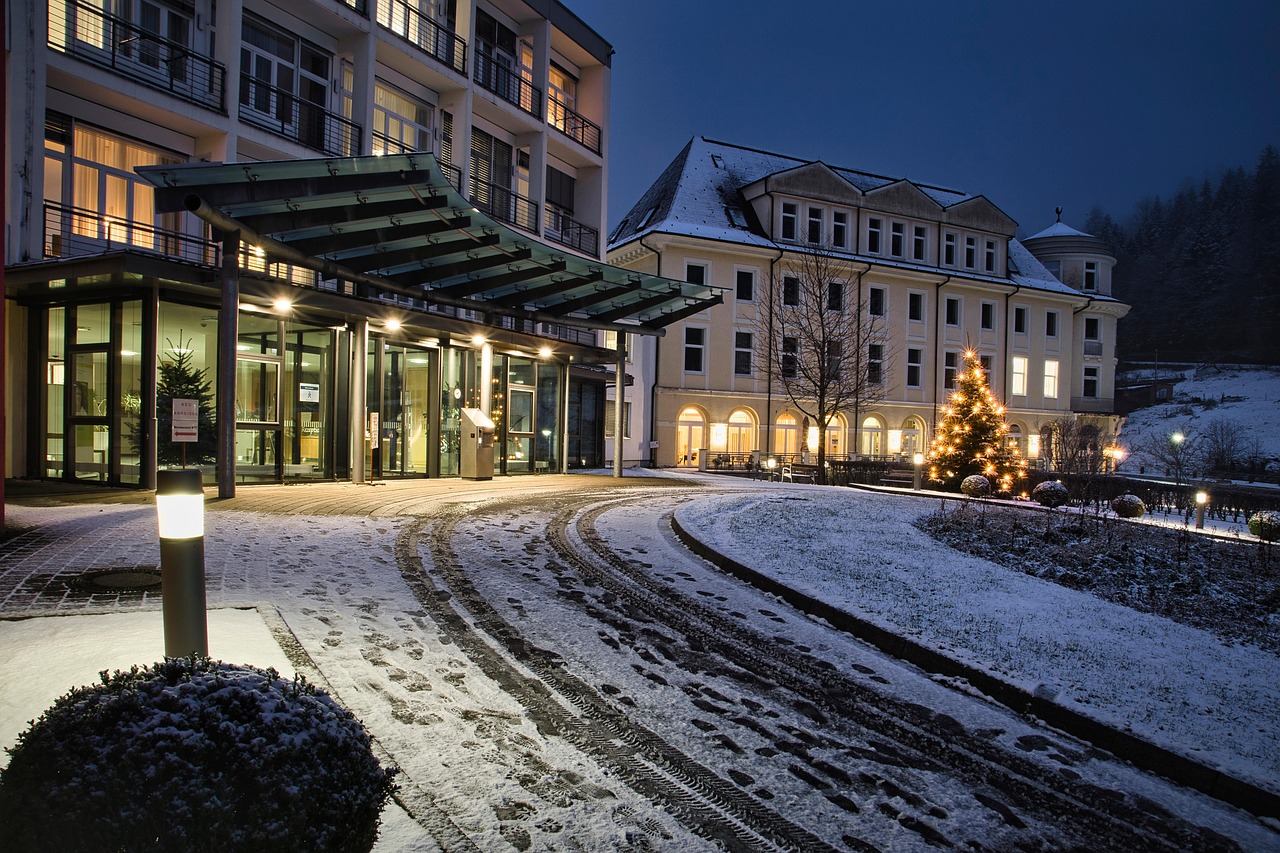
Level access from parking areas, drop-off points, or public transportation stops proves crucial for independent arrival. Covered walkways protect travelers with mobility devices from weather exposure, and well-lit pathways enhance safety for those with visual impairments.
Inside the room, adequate maneuvering space becomes paramount. A minimum of 60 inches turning radius allows wheelchair users to navigate comfortably. Furniture arrangements should permit clear pathways between the entrance, sleeping area, bathroom, and balcony or window areas.
Key Room Layout Considerations
Accessible rooms should feature lowered peepholes or video entry systems enabling guests using wheelchairs to see visitors. Door handles work better as levers rather than knobs, requiring less grip strength and dexterity. Electronic locks with visual and auditory confirmation benefit travelers with various impairments.
Light switches, thermostats, and room controls positioned between 15 and 48 inches from the floor ensure reachability. Smart room technology with voice activation or mobile app controls adds another layer of independence, allowing guests to adjust lighting, temperature, and curtains without physical manipulation.
🛏️ Sleeping Spaces That Accommodate Everyone
Bed height matters significantly for travelers with mobility limitations. Ideal heights range between 20 and 23 inches from the floor to the top of the mattress, facilitating transfers from wheelchairs. Adequate clear space on at least one side, preferably both, allows for wheelchair positioning and caregiver assistance.
Adjustable beds provide customizable comfort for guests with various medical conditions, circulatory issues, or respiratory challenges. Some travelers may require specific firmness levels or hypoallergenic bedding materials, and progressive properties maintain options to accommodate these needs.
Nightstands and bedside controls should be reachable from the bed without stretching. Telephone, alarm clock, lighting controls, and charging stations positioned within easy reach demonstrate thoughtful design. Visual alarm clocks or vibrating alert systems serve travelers with hearing impairments.
🚿 Bathroom Accessibility: The Make-or-Break Factor
Bathroom design often determines whether a room truly meets accessibility needs. Roll-in showers with zero threshold entry, measuring at least 30 by 60 inches, accommodate wheelchairs and shower chairs. Hand-held showerheads with adjustable height mounting brackets provide flexibility for seated or standing use.
Grab bars strategically positioned near toilets and in shower areas must support at least 250 pounds. Their placement should facilitate safe transfers and movement, typically 33 to 36 inches above the floor. Contrast colors help visually impaired guests locate these safety features easily.
Toilet height between 17 and 19 inches, slightly higher than standard fixtures, eases transfers for wheelchair users and individuals with joint problems. Adequate clear floor space beside the toilet, measuring at least 30 by 48 inches, accommodates wheelchairs and assistive devices.
Additional Bathroom Amenities
Sink design influences bathroom accessibility significantly. Wall-mounted or pedestal sinks without cabinets underneath permit wheelchair users to approach closely. Lever-style faucets operate more easily than traditional knobs, and touchless faucets eliminate manipulation altogether.
Bathroom doors should open outward or slide to prevent blocking escape routes if someone falls. Emergency call buttons positioned near the toilet and shower area provide peace of mind. These should feature both audible and visual confirmation when activated.
Mirror placement matters for travelers of varying heights. Full-length mirrors or those extending to countertop level ensure everyone can use them effectively. Anti-fog features and adequate lighting enhance functionality for all guests.
📱 Technology Integration for Enhanced Accessibility
Modern accessibility increasingly relies on technology integration. Properties offering comprehensive mobile apps can revolutionize the guest experience for travelers with disabilities. Features like digital check-in eliminate the need to navigate unfamiliar front desk areas, while mobile room keys remove fumbling with physical cards.
Smart room controls accessible through smartphones allow guests to manage their environment independently. Voice-activated assistants can control lights, temperature, television, and window coverings, particularly benefiting travelers with mobility or vision limitations. Integration with personal devices ensures familiarity and ease of use.
Communication technology proves essential for guests with hearing impairments. Visual alert systems for doorbells, phones, and fire alarms ensure safety and connectivity. Video relay services for phone calls and video-capable room phones facilitate communication.
🍽️ Dining and Common Area Considerations
Accessibility extends beyond the guest room into dining spaces and public areas. Restaurants and breakfast areas should feature varied seating heights, including tables accommodating wheelchairs with adequate knee clearance of at least 27 inches. Booths, while cozy, often prove inaccessible for wheelchair users.
Buffet and serving areas designed with multiple height levels allow all guests to serve themselves independently. Clear signage with braille and large print assists guests with visual impairments in identifying food items and potential allergens.
Adequate circulation space between tables prevents navigation challenges. A minimum of 36 inches between tables allows comfortable passage for wheelchairs and mobility devices. Well-lit dining areas benefit guests with low vision while reducing trip hazards.
Recreational Facilities and Amenities
Pool areas should include lift systems or zero-depth entries enabling guests with mobility challenges to enjoy aquatic facilities. Non-slip surfaces around water features prevent accidents. Accessible changing rooms with adequate space and grab bars complete the experience.
Fitness centers increasingly offer adaptive equipment suitable for various abilities. Machines with adjustable seats, clear approach paths, and staff trained in accessibility accommodations demonstrate commitment to inclusive wellness options.
Business centers and meeting spaces with adjustable-height desks, screen reader compatible computers, and assistive listening systems ensure professional travelers can maintain productivity. Quiet spaces benefit guests with sensory sensitivities who may need respite from busy common areas.
🚗 Transportation and Location Accessibility
Accessibility begins before arrival and extends beyond departure. Properties located near accessible public transportation, with detailed information about routes and schedules, demonstrate awareness of guest needs. Some hotels offer accessible shuttle services with wheelchair lifts or ramps.
Designated accessible parking spaces positioned near entrances with adequate width for van lifts prove essential for many travelers. Clear signage prevents unauthorized use while helping arriving guests locate these spaces easily. Covered parking protects mobility devices from weather exposure.
Information about nearby accessible attractions, restaurants, pharmacies, and medical facilities adds value. Some progressive properties maintain relationships with accessible transportation providers, simplifying excursion planning for guests.
🎯 Service Animals and Assistance Policies
Clear, welcoming policies regarding service animals demonstrate inclusive hospitality. Properties should accommodate service animals without additional fees while providing designated relief areas with waste disposal facilities. Staff training ensures proper interaction with service animals and their handlers.
Information about pet-friendly areas, potential allergens in rooms, and cleaning protocols helps guests make informed decisions. Some travelers may have chemical sensitivities requiring fragrance-free environments, which quality properties can accommodate with advance notice.
Emergency procedures adapted for guests with various disabilities ensure safety. Visual fire alarms, evacuation chairs, and trained staff familiar with assisting guests with different needs provide comprehensive protection.
💬 Communication and Staff Training
Well-trained staff represents perhaps the most crucial accessibility feature. Employees educated about various disabilities, appropriate assistance techniques, and respectful communication create welcoming environments. Training should cover mobility assistance, communication with deaf or hard-of-hearing guests, and visual description for blind travelers.
Multiple communication channels accommodate different preferences and abilities. Written instructions in guest rooms supplement verbal explanations. Visual guides with photos help guests with cognitive differences navigate facilities independently.
Staff availability to assist with specific needs without making guests feel burdensome reflects authentic hospitality. Some properties designate accessibility coordinators who handle special requests and ensure appropriate accommodations.
📝 Booking Process and Pre-Arrival Communication
The reservation process itself should be accessible, with websites meeting WCAG guidelines for screen reader compatibility and keyboard navigation. Detailed accessibility information available during booking prevents surprises and ensures appropriate room assignment.
Properties excelling in accessible hospitality welcome pre-arrival communication about specific needs. This dialogue allows staff to prepare rooms appropriately, arrange necessary equipment, and brief relevant team members. Confirmation of requested accommodations provides peace of mind.
Transparent policies regarding accessibility-related cancellations or changes demonstrate understanding that medical situations may require flexibility. Reasonable accommodation of last-minute needs separates truly accessible properties from those merely checking compliance boxes.
🌟 Evaluating and Choosing Accessible Accommodations
When researching potential accommodations, travelers should consult multiple sources. Official hotel websites, booking platforms with accessibility filters, and specialized travel forums provide different perspectives. Recent reviews from travelers with similar needs offer invaluable insights beyond generic accessibility claims.
Photographs showing actual room layouts, bathroom configurations, and entrances help verify accessibility features. Measurements of doorways, clear floor space, and fixture heights enable travelers to determine suitability for their specific equipment and requirements.
Direct communication with properties allows specific questions and custom requests. Staff responsiveness and knowledge during these interactions often predict the actual experience. Hesitation, vague answers, or suggestions to “make do” signal potential challenges.
Certification and Recognition Programs
Various accessibility certification programs assess and recognize properties meeting specific standards. While useful starting points, travelers should verify that certifications address their particular needs. Standards vary internationally, and some focus on specific disability types.
Industry awards for accessibility excellence often indicate genuine commitment beyond minimum compliance. Properties investing in continuous improvement, gathering feedback from guests with disabilities, and implementing suggestions demonstrate authentic dedication to inclusive hospitality.
🔍 The Future of Accessible Travel Accommodations
The accessible travel landscape continues evolving with technology advancement and growing awareness. Virtual reality property tours may soon allow travelers to explore rooms and facilities before booking, ensuring suitability. Artificial intelligence could personalize room configurations based on individual accessibility profiles.
Increased standardization of accessibility features across hotel brands would simplify travel planning, while greater transparency in booking systems would eliminate unpleasant surprises. Crowdsourced accessibility information platforms empower travelers through community knowledge sharing.
Universal design principles increasingly influence new construction and renovations. Features benefiting travelers with disabilities enhance comfort for all guests, creating spaces that work better without segregating accessible accommodations.
The movement toward inclusive travel represents more than regulatory compliance or market expansion. It reflects fundamental hospitality values of welcoming all guests and ensuring everyone can travel comfortably, confidently, and independently. By understanding which accessibility features truly matter and demanding them when booking, travelers drive industry progress toward genuinely inclusive accommodations that serve diverse needs with dignity and excellence.
Every traveler deserves accommodations that support their independence, comfort, and enjoyment. The features outlined here represent essential considerations when evaluating properties for accessible stays. As awareness grows and expectations rise, the hospitality industry continues adapting, creating environments where disability becomes invisible and travel becomes universally enjoyable.